Renewable energy vs non renewable energy is one of the big debates of our time, and in the UK the balance has shifted fast. In 2025 renewables produced a record 52.5% of the country’s electricity. Here are seven clear differences between the two, with the latest UK figures, so you can see where things stand.
1. The Basic Difference
Renewable energy comes from sources that are naturally replaced, such as wind, sunlight, flowing water and plants. Non-renewable energy comes from sources that will run out, such as coal, oil, natural gas and the uranium used in nuclear power. Once a tonne of coal is burned, it is gone.
2. The UK Electricity Mix in 2025
According to government figures reported in April 2026, renewables generated a record 52.5% of UK electricity in 2025, or 152.5 TWh. Wind alone produced 30.0%, and solar a record 6.9% (DESNZ, reported by Express & Star). The rest came mainly from gas and nuclear, with smaller amounts from other sources.
3. Renewable Energy vs Fossil Fuels on Carbon
Burning fossil fuels releases carbon dioxide, the main cause of climate change. Wind, solar and hydro produce almost no emissions while they run. This is the biggest reason the UK is shifting its electricity system, and why renewable energy vs fossil fuels is usually framed as a climate question.
Nuclear power is non-renewable, but it is also low-carbon, so it sits in a middle position.
4. Reliability and Weather
Fossil fuel and nuclear plants can run whenever they are needed, while wind and solar depend on the weather. This is where renewable energy vs non renewable differs most in practice, and it is the main challenge for renewables. It is being met with batteries, interconnectors to other countries, flexible demand and gas plants kept in reserve for calm, dark days.
5. Running Costs
On cost, renewable energy vs fossil fuels looks very different over time. Once built, wind and solar farms have no fuel to buy, so their running costs are low. Gas plants must buy fuel, and gas prices can rise sharply, as they did in 2022. Building renewables and the grid connections they need takes a lot of investment up front, which is paid back over many years.
6. Land, Sea and Space
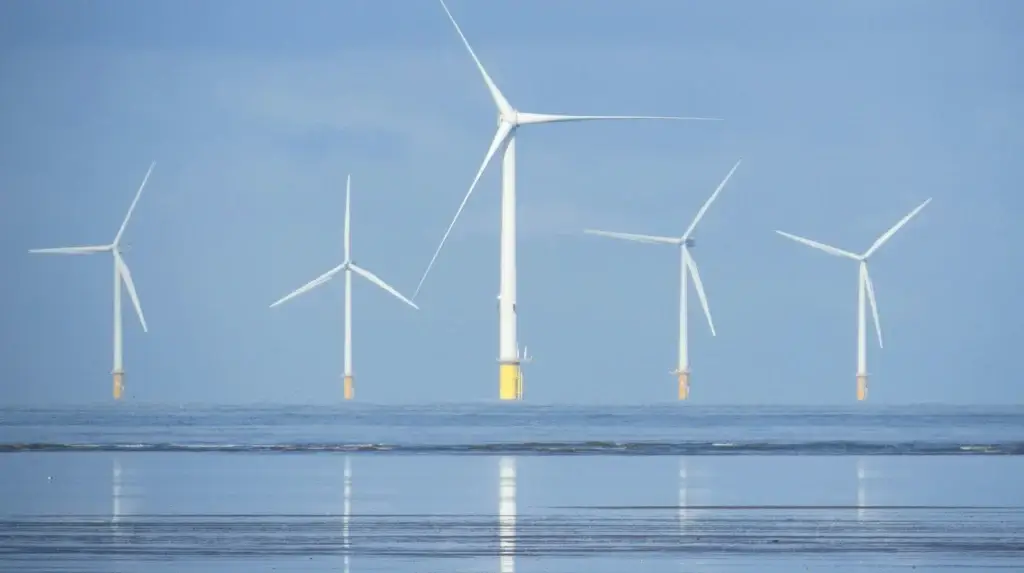
Comparing non renewable energy vs renewable energy on land use gives a mixed picture. Renewables need space. Wind farms spread across hills and seabed, and solar farms cover fields. Fossil fuel plants are compact, but they rely on mines, wells and pipelines elsewhere. The sea offers so much room that offshore wind is now one of the UK’s biggest sources of renewable power.
7. Jobs and Skills
The shift is changing the jobs market. RenewableUK reports more than 55,000 people working in UK wind, and expects that to double to over 112,000 by 2030 (RenewableUK). Many engineers move across from oil and gas, as their safety, mechanical and electrical skills transfer well. See our pages on renewable energy jobs and substation engineer jobs.
Our View
Renewable energy vs non renewable is no longer a question of one or the other. The UK now gets more than half its electricity from renewables, but gas and nuclear still keep the lights on when the wind drops. The next decade will be about storage, grids and skills. If you are looking for a role in energy, browse our live vacancies or check your CV with our free CV checker.