Are smart meters good, or just another gadget? It is one of the most common energy questions in the UK, and the honest answer is that they help most people but are not perfect. By the end of June 2026 there were around 42 million smart and advanced meters in Great Britain, about 72% of all meters. Here are seven honest pros and cons, so you can decide for yourself.
1. What a Smart Meter Actually Does
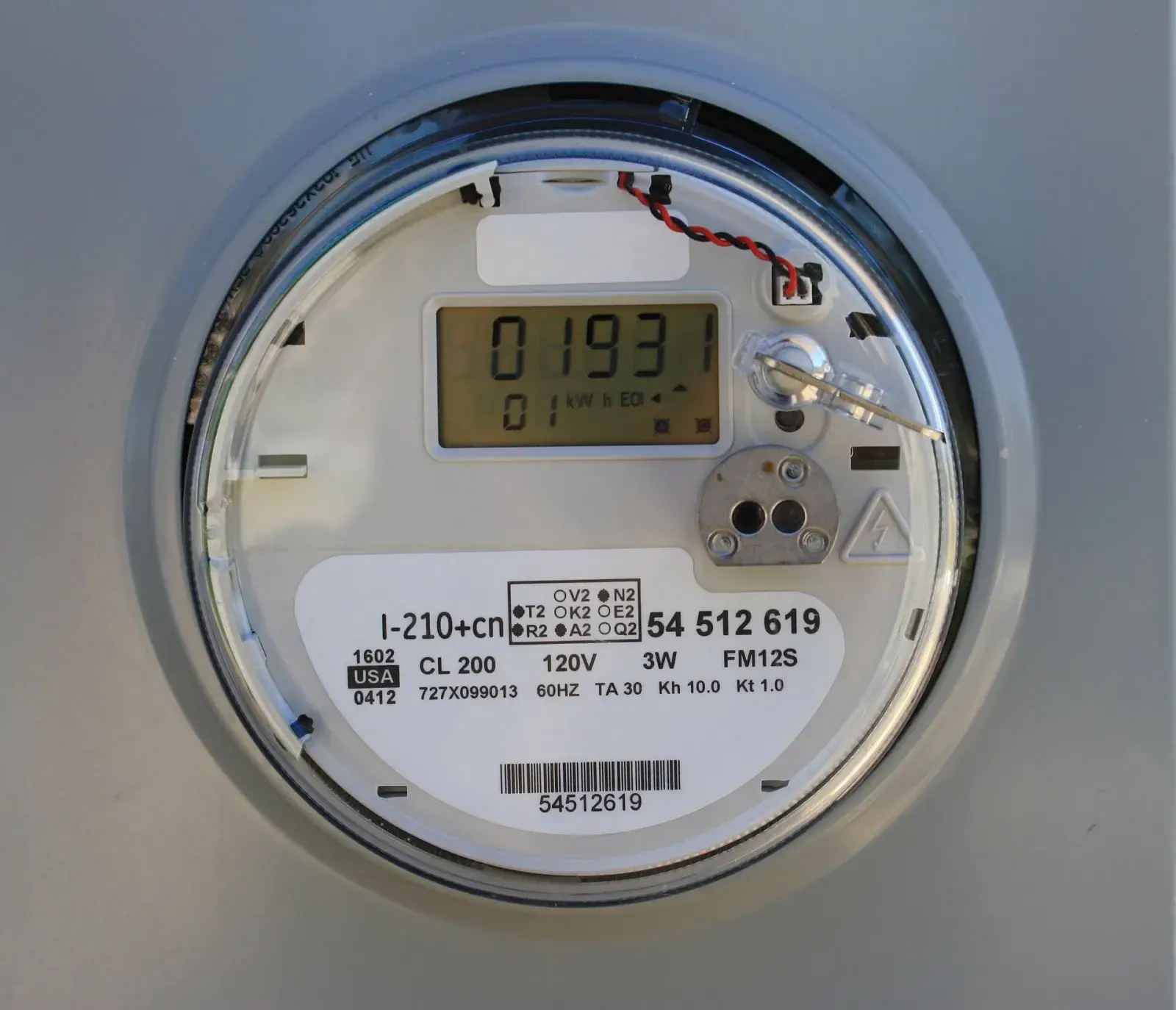
A smart meter measures the gas or electricity you use and sends the readings to your supplier automatically. Most come with an in-home display that shows what you are using in pounds and pence, close to real time. Older meters only show a running total, so someone has to read them.
Government figures show around 1.1 million smart and advanced meters were installed in the second quarter of 2026 alone (DESNZ).
2. Pro: No More Estimated Bills
This is the main reason people say smart meters are good. Because readings are sent automatically, your bill should be based on what you actually used, not a guess. That makes it easier to budget and avoids big catch-up bills after a long period of estimates.
3. Pro: You Can See Where Energy Goes
Are smart meters beneficial for saving money? They do not cut your bill on their own, but they make waste easier to spot. Many people notice how much the kettle, tumble dryer or electric shower costs and change their habits. The display is only useful if you look at it, so smart meters are beneficial most for people who are already trying to save.
4. Pro: Access to Smarter Tariffs
Time-of-use tariffs charge less at quiet times, such as overnight. They need half-hourly readings, which a smart meter provides. If you have an electric car, a heat pump or a home battery, these tariffs can make a real difference. Smart meters can also record the electricity you export from solar panels, which you need for most export tariffs.
5. Are Smart Meters Free?
In most cases you will not be asked to pay anything up front to have one fitted by your supplier. The cost of the national rollout is shared across all energy bills, so everyone pays towards it whether they have one or not. That is why many people decide they may as well have one. You can usually refuse a smart meter, although rules can differ in some situations, so check with your supplier.
6. Con: Signal and Switching Problems
Smart meters rely on a wireless network. In some homes, especially in flats, basements or rural areas, the signal can drop, and the meter stops sending readings. Some early meters also lost their smart features when people switched supplier, although most have now been upgraded remotely. If your meter stops working smartly, your supplier should fix it. Problems like this are the main reason some people still ask whether smart meters are good at all.
7. Con: Prepayment Concerns
Smart meters can be switched to prepayment mode remotely. In the past this caused real problems for some households in debt. When people ask are smart meters good for households in debt, this is the main worry. Rules on involuntary prepayment are now much tighter, but it is worth knowing your rights and talking to your supplier early if you are struggling with bills.
Who Fits Smart Meters?
Every one of those 42 million meters was fitted by a trained engineer. Smart meter engineers work for suppliers and metering contractors, and many started with no energy experience before joining a training academy. If you are interested, see our page on smart meter engineer jobs.
Our View
So, are smart meters good? For most homes the answer is yes. They end estimated bills, make energy use visible and open up cheaper tariffs, at no upfront cost. They are not perfect, and signal problems are frustrating when they happen. If you are on the fence, ask your supplier what is involved. If you are looking for work in energy, browse our live vacancies or check your CV with our free CV checker.