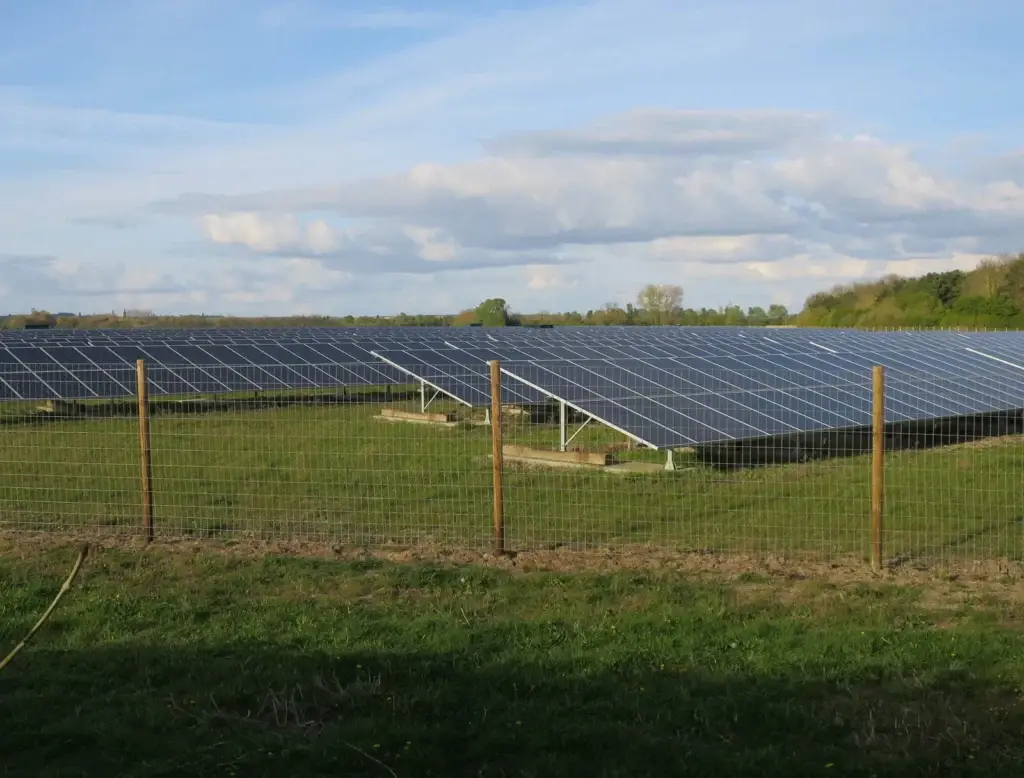
Selling electricity back to the grid is one of the main ways solar panels pay for themselves. When your panels make more electricity than your home is using, the extra flows out to the grid. Under the Smart Export Guarantee, or SEG, larger energy suppliers must offer to pay you for it. Here are seven simple steps to understand how it works and get a good solar export tariff.
1. What Is the Smart Export Guarantee?
The Smart Export Guarantee started on 1 January 2020. It requires licensed electricity suppliers with 150,000 or more domestic customers to offer at least one export tariff to small generators (Ofgem). Smaller suppliers can choose to offer one too. Suppliers set their own rates, but the rate must always be above zero.
2. Which Systems Qualify?
Ofgem’s guidance says the SEG covers solar PV, onshore wind, hydro and anaerobic digestion systems up to 5MW, and micro combined heat and power up to 50kW (Ofgem SEG guidance). For most homes, that means rooftop solar panels.
3. You Need the Right Certificate
Systems up to 50kW need to be certified under the Microgeneration Certification Scheme, or an equivalent scheme. In practice, that means using a certified installer and keeping your certificate safe. Suppliers will ask for it when you apply.
4. You Need an Export Meter
Your supplier has to know how much electricity you export. The SEG requires a meter that can record exports every half hour, which in practice usually means a smart meter. If you do not have one, ask your supplier to fit one before you apply.
5. How SEG Tariff Comparison Works
Rates vary widely between suppliers, so a SEG tariff comparison is worth doing. When comparing a solar export tariff, look at:
- The rate per kWh: fixed or variable, and how often it can change.
- Whether you must buy power from the same supplier: some of the best rates are only for their own customers.
- Time-of-day rates: some tariffs pay more at peak times, which suits homes with batteries.
- Contract length and exit fees.
You do not have to sell to the supplier that sells you electricity, so check the whole market.
6. Use More of Your Own Power First
The electricity you use yourself is usually worth more than the electricity you sell, because buying it from the grid costs more than most export rates pay. Running the washing machine in the middle of the day, or adding a battery, can make your system work harder for you. Selling electricity back to the grid then earns money from what is genuinely spare.
7. Apply and Keep Records
Once you have your certificate and export meter, apply to the supplier you have chosen. Keep a record of your generation and export so you can check your payments. If you change your system, for example by adding a battery, tell your supplier.
Who Makes It Happen?
Behind every solar export tariff is a team of solar installers, electricians and metering engineers. Demand for these skills is growing as more homes add solar and batteries. See our pages on solar PV installer jobs and battery storage jobs.
Our View
Selling electricity back to the grid will not make you rich, but it makes solar panels better value, and it costs nothing to sign up. Spend a few minutes on a SEG tariff comparison and you could earn noticeably more. If you work in solar or electrical installation, browse our live vacancies or check your CV with our free CV checker.