
Engineering Sectors – From Biomedical to Civil Engineering. Bernoullis Have You Covered.
Explore the engineering sectors we recruit for. Every sector is handled by consultants who understand the discipline, the credentials and the sites – so you get specialist engineering recruitment, not keyword matching.

Why Engineering Sectors Need Specialist Recruiters
Great engineering isn’t built on guesswork – and neither is elite technical recruitment. In highly regulated, safety-critical and high-consequence industries, a single staffing oversight or placing a professional without the exact regulatory credentials can derail a multi-million-pound capital project.
At Bernoullis, we bypass generalist recruitment tactics entirely. Founded by engineers with decades of direct experience inside heavily audited, high-stakes environments – including nuclear submarines and offshore gas networks – we speak the native technical language of the industries we serve. We evaluate candidates for precise software proficiencies, regulatory compliance standards and practical cross-disciplinary exposure before they ever reach your desk.
Whether you are looking to secure a niche Principal Engineer, fill a project-critical contract vacancy or scale an entire multi-disciplinary department, explore our dedicated engineering sectors below to see how we deliver precision matching over raw CV volume.
Our Global Talent Delivery Model
Access to passive networks: the most impactful engineering minds are rarely browsing public job boards. By staying continuously active inside major professional institutes (ICE, IMechE, IET, IChemE, RAeS, CIWEM), we tap into deep, personal pipelines of passive talent. Rigorous engineering pre-vetting: our consultants drill down into portfolios, validating previous projects against international accords (Washington, Sydney and Dublin Accords) and national qualification tiers (FHEQ Levels 6–8).
Ready to Streamline Your Technical Staffing?
Are you looking to secure project-critical contract specialists or build out a permanent team of chartered engineering authorities? Partner with an engineering staffing agency that speaks your exact native language. Fill out our vacancy submission form to register your requirement, and a specialist consultant from your dedicated engineering vertical will reach out within 24 hours to conduct a comprehensive technical briefing.
8 Engineering Sectors, One Specialist Team
Choose a sector to see the roles we recruit, the credentials we check and how we work with employers in that field.
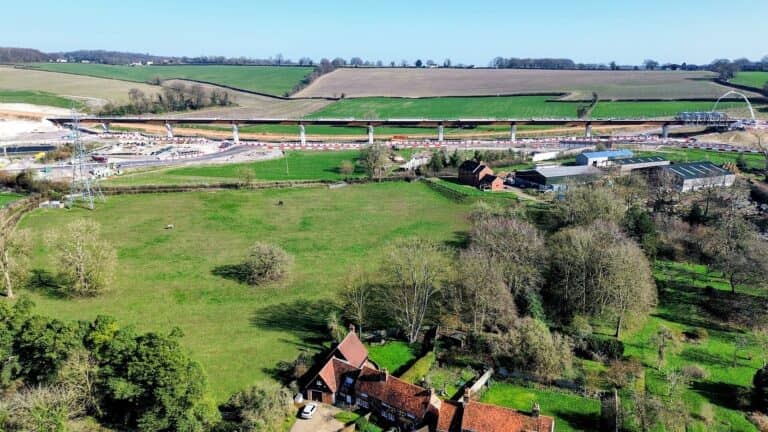
Civil Engineering Recruitment
Structural, highways, rail, water and site engineers for infrastructure, buildings and major transport programmes. Explore Civil Engineering roles.

Mechanical Engineering Recruitment
Design, manufacturing, maintenance and rotating equipment engineers for factories, energy and heavy industry. Explore Mechanical Engineering roles.

Electrical & Electronic Engineering Recruitment
Power, protection, controls, automation and electronics engineers for grids, plants and products. Explore Electrical & Electronic Engineering roles.

Aerospace Engineering Recruitment
Design, stress, avionics and licensed maintenance engineers for aviation, defence and space. Explore Aerospace Engineering roles.
Chemical & Process Engineering Recruitment
Process, process safety and pharmaceutical engineers for chemicals, life sciences, water and energy. Explore Chemical & Process Engineering roles.
Biomedical Engineering Recruitment
Medical device design, quality, regulatory and clinical engineers for MedTech and healthcare. Explore Biomedical Engineering roles.

Environmental Engineering Recruitment
Renewable energy, environmental, water and decarbonisation engineers for the net zero transition. Explore Environmental Engineering roles.

Computer & Software Engineering Recruitment
Embedded, software, systems, hardware and DevOps engineers for products where code meets hardware. Explore Computer & Software Engineering roles.
Types of Engineering We Recruit – and What Makes Each Different
Every engineering sector has its own standards, institutions and working culture. Understanding those differences is what makes specialist engineering recruitment work.
Infrastructure & the built environment
Civil and structural engineering is governed by design codes, CDM and client assurance. Chartership through the ICE or IStructE often defines seniority, and site experience matters as much as design skill.
Manufacturing, energy & process
Mechanical, electrical and chemical engineers keep plants, factories and networks running safely. Safety-critical credentials, authorisations and process safety experience are often non-negotiable.
Regulated products & high technology
Aerospace, biomedical and software-intensive products live under strict approval regimes, from aviation authorities to medical device regulators and safety-critical software standards.
How to Choose a Specialist Engineering Recruitment Agency
Ask who will actually recruit for you. A specialist engineering recruitment agency should be able to discuss your technical brief in detail, not just the job title and salary. If the conversation feels generic, the candidates probably will be too.
Check how candidates are vetted. The best technical recruitment agencies interview every candidate, check professional registration and institution membership, and ask about real projects before putting anyone forward.
Look at the shortlist, not the volume. Two or three well-matched engineers are worth far more than a pile of CVs your team has to sift. Ask how many candidates you should expect and what happens if a hire does not work out.
Finally, compare commercial models. An engineering staffing agency that offers percentage, fixed-fee and subscription pricing can match the model to your hiring plan, rather than forcing you into one.
What every sector gets
- Consultants with engineering backgrounds
- Credentials checked against the right institutes
- Free consultation and site visit
- Shortlists of two or three vetted engineers
- Permanent, contract and temporary options
- Aftercare at 30, 60 and 90 days
What to look for in each engineering sector
Every discipline has its own qualifications, standards and candidate pools. Before you brief a technical recruitment agency, it helps to know which questions matter most in your sector. The notes below summarise what we check when we take on a new vacancy, and what you should expect from any recruiter you work with.
Civil & Structural
Civil and structural employers compete hard for chartered engineers, site managers and project leads. Look for a recruiter who understands ICE and IStructE routes, CDM duties, framework contracts and the difference between consultancy and contractor career paths, so that the shortlist you receive fits the way your projects are actually delivered.
Mechanical
Mechanical roles range from CAD-led design to maintenance, reliability and production engineering. A good partner will ask about the tools you use, such as SolidWorks, Creo or Inventor, the tolerances and standards you work to, and whether the role leans towards new product development or keeping existing plant running safely.
Electrical & Electronic
Electrical and electronic hiring covers power, controls, PCB design and test. The skills rarely overlap, so screening must separate an HV authorised person from a PLC programmer or a hardware designer. Ask how candidates are tested on BS 7671, IEC 61508 or the specific control platforms you depend on.
Aerospace
Aerospace and defence projects bring security clearance, AS9100 quality systems and long certification cycles. Your recruiter should plan around clearance lead times, understand airworthiness and stress roles, and be able to find engineers who are comfortable in highly documented, regulated environments where every change must be traceable.
Chemical & Process
Chemical and process engineers work where safety, compliance and throughput meet. Specialist screening covers HAZOP experience, COMAH sites, process simulation software and GMP for pharmaceutical plants. The right hire can improve yield and reduce risk at the same time, so the brief deserves careful technical detail.
Biomedical
Medical device and biomedical teams need engineers who understand ISO 13485, design controls and UKCA or CE marking. Quality, regulatory and design roles are small candidate pools, so a recruiter with a live network in the sector will usually reach suitable people faster than a job advert alone.
Environmental
Environmental and renewable energy hiring is growing quickly as the UK works towards net zero. Employers need engineers for wind, solar, water, waste and carbon reporting. Transferable skills from oil and gas or utilities are common, so a good partner can spot adjacent talent that others overlook.
Computer & Software
Software and computer engineering spans embedded firmware, cloud platforms, DevOps and safety-critical code. A technical screen should confirm languages, frameworks and development practices, and check whether the candidate has shipped products to real users rather than only working on internal prototypes.
UK engineering hiring trends in 2026
Demand for engineers in the UK remains strong across almost every discipline. Infrastructure investment, the energy transition, advanced manufacturing and digital transformation all compete for the same limited pool of experienced people. Many employers now find that a role which once attracted dozens of applicants receives only a handful of relevant ones, and the strongest candidates are often already in work and not actively looking.
That shift changes how hiring should be planned. Salary benchmarking matters more, because engineers compare offers quickly and rarely move for a small increase. Flexible and hybrid working has become an expectation in design and office-based roles, while site and plant roles place more weight on shift patterns, overtime rates and travel. Clear progression, chartership support and training budgets are frequently the deciding factor between two similar offers.
Skills are also blending across the different types of engineering. Mechanical engineers are expected to understand controls, electrical engineers increasingly write software, and environmental specialists need data and reporting skills. When you write a job description, separate the must-have skills from the nice-to-have ones, so that good candidates from neighbouring disciplines are not screened out too early.
Retention deserves as much attention as recruitment. Engineers who join through a rushed or unclear process are more likely to leave within their first year, which restarts the whole cycle and adds cost. A structured onboarding plan, a named mentor and early exposure to meaningful project work all help new starters settle. Regular check-ins during the first three months give both sides a chance to raise concerns before they grow into reasons to leave.
For employers growing a team across more than one discipline, it often pays to plan several hires together rather than one at a time. A combined brief lets a recruiter balance skills across the team, avoid gaps between roles and present candidates who will work well alongside each other. It also makes salary bands more consistent, which reduces friction once everyone is in post.
Finally, speed wins. The best engineers often receive more than one offer within a fortnight. A short, well-organised interview process, prompt feedback and a clear decision date will help you secure the people you want, whichever sector you hire in.
Quick checklist before you start hiring
- Agree the must-have skills, qualifications and clearances
- Benchmark the salary and package against the current market
- Decide on on-site, hybrid or remote working before advertising
- Plan a two-stage interview process with named decision makers
- Prepare a short technical task or discussion topic
- Set a target start date and share it with every candidate
How Our Specialist Engineering Recruitment Works
Technical briefing
We meet the hiring manager online or on site to understand the work, the team and the environment – free of charge.
Targeted search
We approach passive engineers through our network and professional institutes, alongside active candidates.
Technical vetting
Engineering-trained consultants check qualifications, registrations and hands-on experience before you see a CV.
Shortlist & aftercare
You meet two or three vetted engineers, and we check in at 30, 60 and 90 days after they start.
Engineering Specialists. We Solve Your Equations.
Having spent more than 20 years embedded within the planet’s most advanced engineering sectors, we don’t just recruit for your industry – we truly understand it.
We Offer a Free of Charge Online Session & Site Visit
At Bernoullis we truly believe meeting the hiring manager, experiencing the workplace, meeting other team members and getting a feel for the work environment gives us all we need to find the perfect candidate.
How we work, works. We get you results.

Discover Smart Hiring With a Free Consultation
Talk through your next engineering hire with a specialist – no obligation.
Engineering Sectors: Your Questions Answered
Which engineering sectors does Bernoullis recruit for?
We recruit across eight engineering sectors: civil, mechanical, electrical and electronic, aerospace, chemical and process, biomedical, environmental, and computer and software engineering.
What is a specialist engineering recruitment agency?
A specialist engineering recruitment agency focuses only on engineering roles and understands the technical work. At Bernoullis our consultants come from engineering backgrounds and assess candidates’ real skills and credentials.
Are you a technical recruitment agency or an engineering staffing agency?
Both. We are a technical recruitment agency for permanent roles and an engineering staffing agency for contract and temporary cover, so you can use one partner for every type of hire.
Do you recruit across more than one engineering sector at once?
Yes. Many projects need multi-disciplinary teams, and we regularly recruit civil, mechanical, electrical and process engineers for the same client.
What types of engineering roles do you fill?
From graduates and technicians to chartered engineers, principal engineers and heads of engineering, across permanent, contract and temporary roles.
Do you check professional registration in every sector?
Yes. We check academic accreditation, Engineering Council registration and membership of the relevant institutes, such as the ICE, IMechE, IET, IChemE, RAeS and CIWEM.
How much does specialist engineering recruitment cost?
You can choose a traditional placement fee, a fixed fee or a monthly Recruitment as a Service subscription. See our pricing or try our recruitment tools.
I am an engineer. How do I find roles in my sector?
Browse our latest vacancies or submit your CV, and we will contact you when a suitable role in your engineering sector comes up.
Do you recruit across the whole UK?
Yes. Our office is in Polegate, East Sussex, and we recruit for employers across the UK, meeting online or on site.
What if my role does not fit one of your engineering sectors?
Get in touch anyway. Many roles sit between disciplines, and our consultants are used to briefs that combine skills from several engineering sectors.
How do I know which engineering sector my vacancy belongs to?
Start with the core skills the person will use every day rather than the industry your business sits in. A controls engineer at a food factory is closer to the electrical sector than to process engineering, for example. If a role spans two disciplines, tell us, and we will search both candidate pools.
Can you recruit for roles that combine several disciplines?
Yes. Many modern roles blend mechanical, electrical and software skills. We screen against each skill you list and explain where a candidate is strong and where they would need support, so you can make a balanced decision.
Do you recruit engineering graduates and apprentices?
We focus mainly on experienced and senior engineers, but we can support graduate and early-career hiring where a client needs it, particularly when it forms part of a wider team build.
What information should I include in an engineering job brief?
Include the main responsibilities, essential qualifications, software or standards used, location and working pattern, salary range, and the interview steps. The more detail you share, the faster we can build an accurate shortlist.
Find Engineers in Your Sector
Follow Bernoullis for engineering news, hiring insight and new vacancies.
Submit Your CV
Let us find the perfect role for you.
Not sure which jobs to apply for? Our AI Job Matcher scores 150,000+ live UK jobs against your CV and shows you the best fits first. Find my matching jobs →
Want a stronger CV first? Try our free CV checker.