A chemical engineer turns raw materials into the products we use every day, from medicines and food to fuels, plastics and clean water. It is one of the most versatile engineering careers in the UK, with roles in pharmaceuticals, energy, food and drink, water and emerging areas such as hydrogen and biotechnology. This guide explains what the job involves, the main routes in, the skills employers want and how to find chemical engineering jobs.
What does a chemical engineer do?
These engineers design, run and improve the processes that change materials from one form to another. In practice, that can mean scaling up a new medicine from the laboratory to a production plant, making a refinery more energy efficient, or designing a water treatment works.
Typical tasks include:
- Designing process plant and equipment using flow sheets and simulation software.
- Running and troubleshooting production processes.
- Improving safety, quality, energy use and waste.
- Carrying out hazard studies such as HAZOPs.
- Working with chemists, mechanical and electrical engineers and operators.
The terms chemical engineer and process engineer are often used for similar roles. A process engineer usually focuses on running and improving an existing plant, while a chemical engineer may also work on design and research.
6 routes into the profession
1. A chemical engineering degree
The most common route is a BEng or MEng chemical engineering degree. Choose a course accredited by the Institution of Chemical Engineers (IChemE), because accreditation makes it easier to become chartered later.
2. A degree apprenticeship
Some employers offer degree apprenticeships, where you work, earn a salary and study for your degree at the same time.
3. A technician apprenticeship
Process technician and laboratory apprenticeships are a good way in if you prefer hands-on work, and many people progress to engineering roles.
4. A related degree
Graduates in chemistry, biochemistry or mechanical engineering can move into process roles, especially in pharmaceuticals and food.
5. A graduate scheme
Large manufacturers, consultancies and utilities run graduate schemes that rotate you through different teams.
6. A career change from operations
Experienced plant operators and technicians can move into process engineering with further study, often supported by their employer.
Skills employers look for in a chemical engineer
Employers ask for a mix of technical and people skills. The ones that come up most often are:
- Process design and simulation, including mass and energy balances and tools such as Aspen HYSYS.
- Process safety, including HAZOP, LOPA and an understanding of COMAH sites.
- Data analysis to find the cause of problems and prove improvements.
- Continuous improvement methods such as Lean and Six Sigma.
- Communication, because you will explain technical ideas to operators, managers and clients.
- Commercial awareness of cost, quality and production targets.
Show these skills on your CV with real examples and numbers, such as an energy saving you delivered or a reduction in downtime.
Where are chemical engineering jobs in the UK?
Roles are found across the UK, often in clusters:
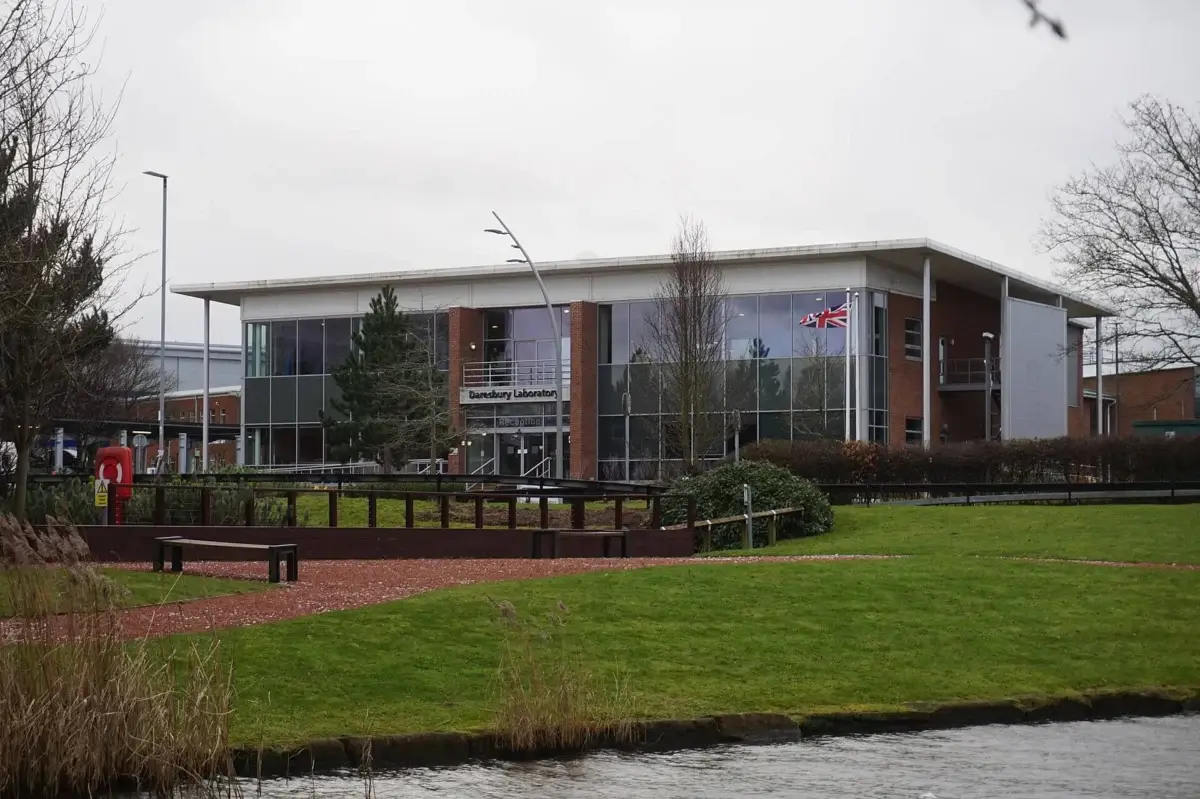
- The North West: chemicals, pharmaceuticals and biotechnology around Cheshire, Merseyside and Lancashire. Read about Croda’s new biotechnology hub in our Sci-Tech Daresbury article.
- Teesside and the Humber: petrochemicals, refining and emerging hydrogen and carbon capture projects.
- The South East and East of England: pharmaceuticals and life sciences.
- Scotland: energy, distilling and chemicals.
Food and drink, water companies and nuclear sites also employ large numbers of chemical and process engineers, so do not limit your search to chemical plants.

Becoming chartered through IChemE
Chartered status (CEng) shows employers that you work to a recognised professional standard. In this field, the usual route is through IChemE. You build up experience, record how you meet the competence standards and then complete a professional review.
Chartership can lead to higher pay, more senior roles and greater responsibility, especially on safety-critical sites. Many employers support their engineers through the process with mentoring and training.
Career progression for a chemical engineer
A chemical engineer can progress in many directions. Common paths include:
- Senior or principal process engineer.
- Process safety specialist.
- Plant, production or operations manager.
- Project engineer or project manager on new plant.
- Technical consultant.
Because the skills transfer between industries, you can also move between sectors, for example from oil and gas into hydrogen, or from food into pharmaceuticals.
A typical day on a process plant
No two days are quite the same, but a typical day on an operating site might start with the morning production meeting, where the team reviews overnight output, quality results and any alarms or trips. From there you might investigate why a reactor is running slower than expected, update a piping and instrumentation diagram after a modification, or join operators on the plant to look at a pump that is vibrating.
Afternoons are often spent on longer-term work: modelling a change to improve yield, writing a management of change request, preparing for a hazard study or reviewing a contractor’s design. On a project, the balance shifts towards calculations, data sheets, vendor meetings and commissioning plans. Most roles mix office work with time on site, so expect to wear personal protective equipment and follow permit-to-work rules whenever you are near live equipment.
Growth areas to watch
Some of the most exciting work in the profession is in areas that barely existed a generation ago:
- Hydrogen: producing, storing and moving low-carbon hydrogen for industry and transport.
- Carbon capture and storage: capturing carbon dioxide from industrial sites and power stations, with clusters planned around the Humber, Teesside and the North West.
- Biotechnology and cell and gene therapy: scaling up living processes to make medicines.
- Sustainable materials: bio-based plastics, recycling and circular economy projects.
- Batteries: materials processing for electric vehicle batteries.
Experience in any of these fields is valuable, and many of the underlying skills, such as mass balances, separations and safety studies, are the same ones used in traditional plants. That makes it possible to move into these growth areas from more established industries.
How to make your CV stand out
Recruiters and hiring managers in the process industries look for evidence, not just job titles. Start with a short profile that says what kind of plant or project you work on and what you want next. Then, for each role, give three to five bullet points that show results: a yield improvement, an energy saving, a reduction in waste or a project delivered on time.
List the software you use, such as simulation packages, data tools and drawing systems, and the safety studies you have taken part in. Include your degree classification, any accreditation and your professional membership grade. Keep it to two pages, use a clean layout without tables or text boxes, and tailor it to every application so the wording matches the advert.
Find chemical engineering jobs with Bernoullis

