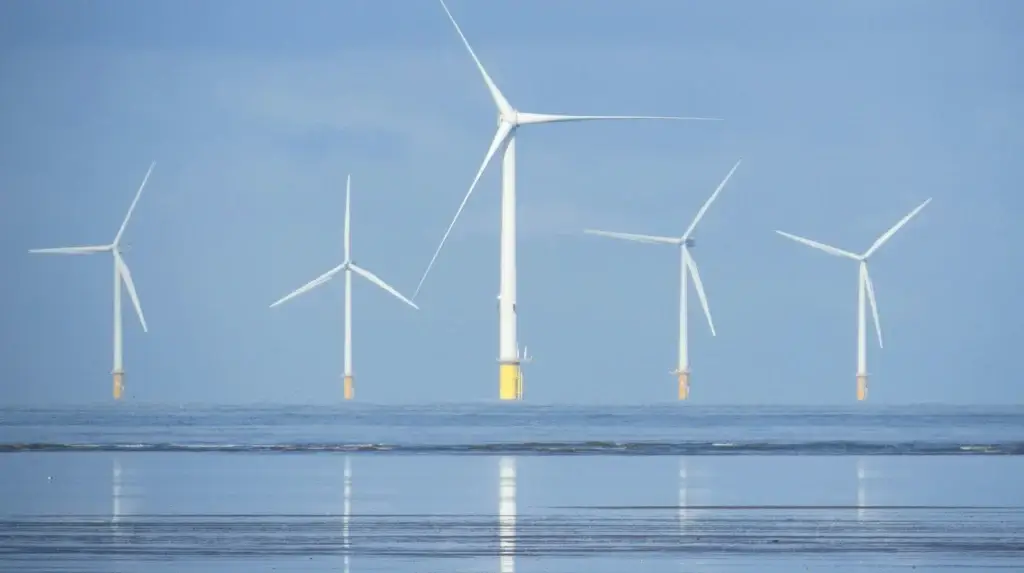
Energy career progression is moving fast because so much is being built, from offshore wind and solar to grid upgrades, heat pumps and new nuclear. That creates room to step up, but only if your CV shows the skills, safety training and project experience the next role needs.
Common Routes for Energy Career Progression
Technical paths include technician to senior technician, supervisor and site or operations manager in wind, solar, grid or power generation. Engineers move from graduate or design roles to senior and lead engineer, and many move into project engineering or project management. Installers in heat pumps, solar and EV charging can progress into commissioning, design or running their own teams.
Know What the Next Energy Role Asks For
Read a few adverts for the role you want. Senior technician and supervisor roles often ask for specific safety training, authorisation levels, fault-finding experience and the ability to lead a team. Project roles look for experience of planning, budgets and working with contractors. Our guide to becoming a heat pump installer covers one fast-growing route.
Step 1: Check Your CV for Free
Before you apply for the next step up, find out how your current CV reads. Upload it to our free CV checker and you get a quick score and practical feedback on structure, content and how well an applicant tracking system can read it. It costs nothing, takes a couple of minutes and is the simplest first step in planning your energy career progression.
Energy CVs often list certificates without saying what you did with them. The feedback will help you add the assets you worked on, the types of faults you fixed and the size of the projects you supported.
Step 2: Rewrite Your CV for the Role Above Yours
Good energy career progression usually means applying for a job you have not done yet, so your CV has to show you are ready for it. Our CV rewriter rewrites your CV against a specific job, either from a link to the advert or a pasted description, so the skills and experience that matter for that role come first.
If you are a wind technician applying for a senior technician job, for example, the rewrite will bring forward your fault-finding work, any authorisations you hold and the times you led a small team.
The rewriter comes with a 3-day free trial, then costs £11.99 a month, and you can cancel online at any time. The price and renewal terms are shown clearly before you start.
Step 3: Find Your Next Role With the Job Matcher
Our CV Job Matcher reads your CV and searches a large UK job feed for the roles that fit you best, filtered by distance from where you live. It also suggests roles you could move into with your transferable skills, and each match has a button to rewrite your CV for that exact job. The Job Matcher is included in the same £11.99 subscription and is a practical way to map out your energy career progression.
It can show which renewable, grid and power roles near you match your experience, and suggest moves from other sectors. That is useful if you are coming from oil and gas, electrical contracting or the forces.
Coming Soon: An App That Turns Your Work Diary Into a CV
We are building a new app, and it is designed for exactly this problem. Most people forget half of what they did at work by the time they update their CV. The app will let you log your daily work tasks as you go, so the jobs you did, the problems you solved and the things you learned are recorded while they are fresh. For energy workers, that could be the turbines or substations you worked on, the faults you cleared, the permits you worked under and the safety certificates you hold.
It will also save your certificates in one place, so you are not hunting through emails and drawers when an employer asks for them.
When you are ready to apply, the app will use your whole work diary to build a CV tailored to the role you want, drawing on everything you have actually done rather than what you happen to remember. For anyone serious about energy career progression, that record will be worth having. The app is still in development and is not available yet. We will share news on the Energy blog when it launches.
Keep Your Safety Certificates in Date
Many energy jobs need in-date safety and technical certificates before you can start. Keep copies and expiry dates organised and renew them early. If you are moving across from another industry, read oil and gas to renewables.
Talk to an Energy Recruiter