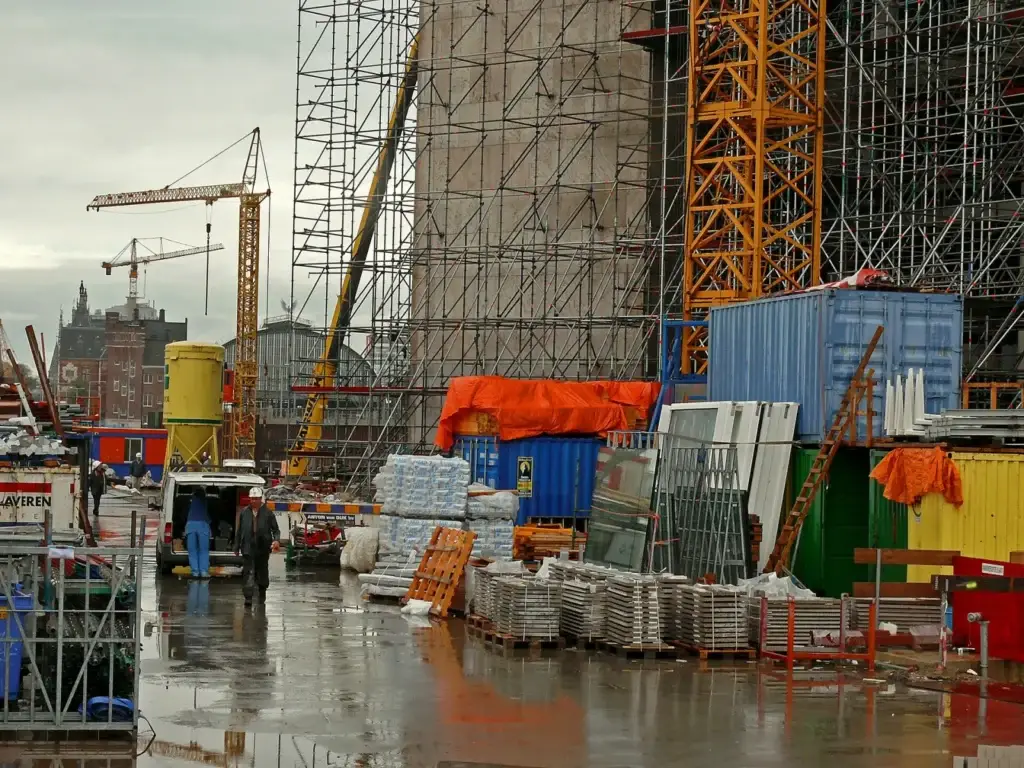
Construction unemployment is in the news because the official figures this month were stark. Construction had the largest drop in vacancies of any UK industry over the summer, and builders are still cutting jobs. Yet the same industry is also warning that it cannot find enough skilled people for the decade ahead. This article sets out the figures and what they mean for anyone trying to get into, or move up in, construction.
The Big Picture: UK Unemployment in Autumn 2026
Across the UK, unemployment was 4.7% in June to August 2026 and there were 691,000 vacancies in July to September, down 21,000 on the quarter (ONS Labour market overview, October 2026). There were 2.4 unemployed people for every vacancy.
A quick note on the data. The Office for National Statistics does not publish a monthly unemployment rate for each industry, so to judge how a sector is doing we look at the official vacancy figures alongside hiring surveys and graduate job data from named sources. Every figure below links to where it came from.
Construction Vacancies Fell Faster Than Any Other Industry
The ONS reports that construction had the largest percentage fall in vacancies of any industry in July to September 2026, down 20.5%, or 7,000 vacancies, on the previous quarter (ONS Vacancies and jobs in the UK, October 2026).
Site activity is still shrinking too. The S&P Global construction PMI rose from 44.3 in August to 46.1 in September 2026, which means activity fell more slowly, but any reading below 50 is still a decline. The survey also found construction employment has fallen every month since January 2025, with September seeing the fastest fall in five months (PBC Today, September 2026 PMI). We covered this in our construction PMI article.
But the Long-Term Shortage Has Not Gone Away
CITB’s Construction Workforce Outlook says the industry will need around 41,200 extra workers a year to 2030 to meet expected demand (Scaffmag, reporting CITB). Short-term job cuts and a long-term skills shortage can both be true at once: firms are cautious about hiring now, but the people with trade skills, tickets and site experience will be needed as projects pick up. See our CITB workforce outlook article.
What This Means for Construction Graduates
There is some good news for graduates. Adzuna’s graduate vacancy data for summer 2026 named trade and construction among the areas still adding graduate roles, even while overall graduate vacancies fell to a series low and there were 2.14 jobseekers for every graduate vacancy (Magica, reporting Adzuna data). Construction is also one of the routes most likely to lead into clean energy work, according to Skills England.
For graduates in surveying, construction management, civil engineering or architecture, the message is to apply widely and make the most of every bit of site or placement experience on your CV. Trainee quantity surveyor, assistant site manager and graduate estimator roles are worth looking at. Our guide to construction career progression shows where those first roles can lead.
Start With a Free CV Check
When competition for each job is tighter, small CV problems cost more interviews. Our free CV check gives you a score and practical feedback on structure, content and how well an applicant tracking system can read your CV. It costs nothing, takes a couple of minutes and you do not need a subscription to use it.
Construction CVs often list job titles and cards but say little about the work itself. The feedback will help you add the types of project, their value or size, the trades you worked alongside and the tickets you hold, which is what site managers look for first.
Once your CV is in shape, our CV Job Matcher can search a large UK job feed for construction jobs that fit your skills and location, and suggest roles you could move into with the experience you already have.
Coming Soon: A Work Diary App to Help Graduates Build Stronger CVs
We are building a new app with graduates and early-career jobseekers in mind. The hardest part of a first CV is remembering, and proving, what you have actually done. The app will let you log your daily tasks as you go, whether that is a placement, a project, a part-time job or your first graduate role, so the detail is captured while it is fresh. For someone starting in construction, that could be the sites you visited, the packages you helped price or manage, the snagging you did and every card and course you completed.
It will also keep your certificates in one place. When you apply for a job, the app will use your whole work diary to build a CV tailored to that role, drawing on everything you have done rather than what you happen to remember on the day.
Over time, a steady record like this is designed to help you write a stronger CV, show real progress to employers and widen the range of jobs you can apply for with confidence. No app can promise a particular job, but a better evidence base gives you a better chance at every application. The app is still in development and is not available yet. We will share news on this blog when it launches.
How to Stay Employable in a Slower Market
Keep your CSCS card and tickets in date, add short courses that broaden what you can do, and consider contract or temporary work to keep your experience current. Visit our construction jobs hub or browse our vacancies page.
Sources
All figures in this article come from these sources, checked on 22 October 2026: