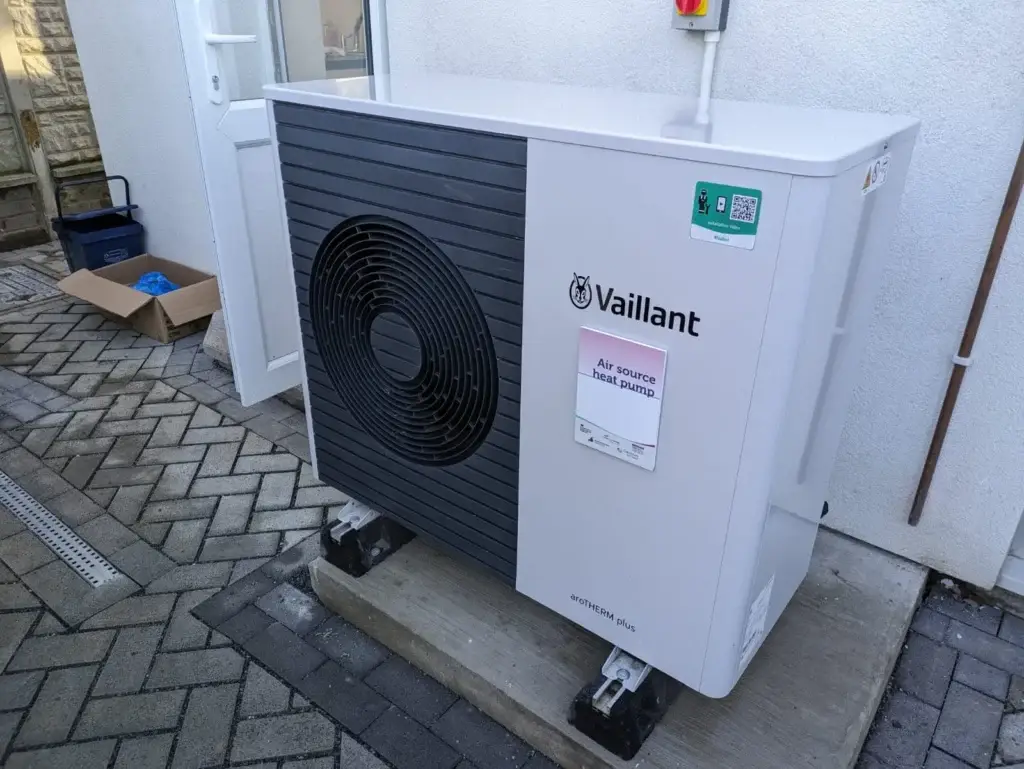
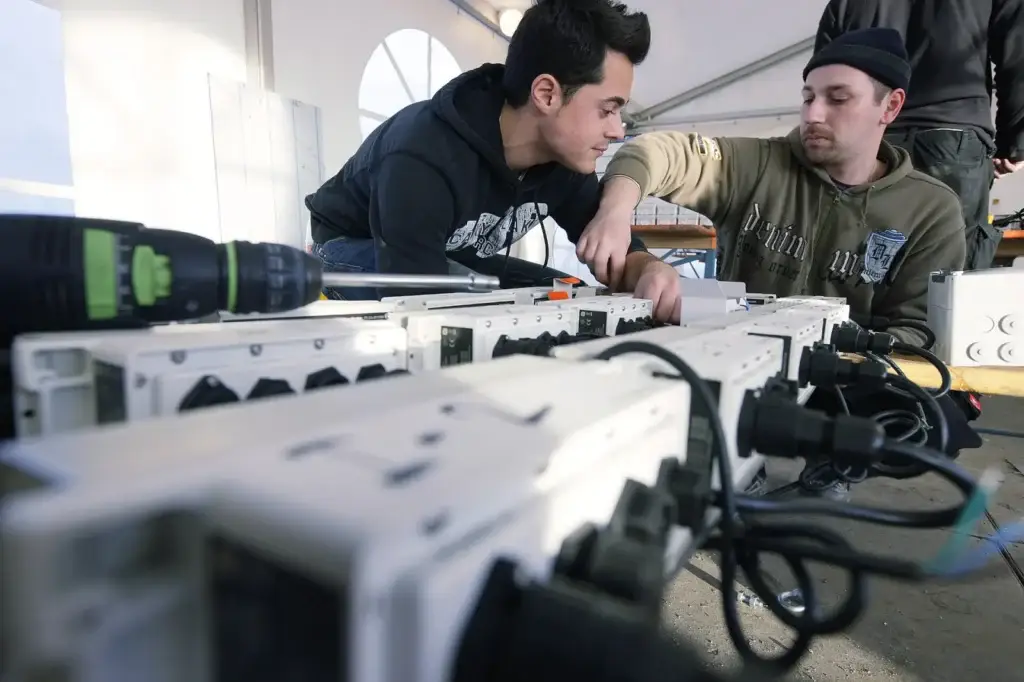
Read through any heat pump forum and you will see the same complaints: quotes that vary wildly, systems that seem the wrong size, installers who skipped the heat loss survey. It is frustrating for homeowners, but it points to a real opportunity. Good installers are in demand. If you are wondering how to become a heat pump installer, here is a clear route in.
What Does a Heat Pump Installer Do?
A heat pump installer designs and fits low carbon heating systems, usually air source heat pumps, in homes and small buildings. The job is a mix of surveying, design, plumbing and electrical work. Done properly, it starts with a room-by-room heat loss calculation, then sizing the heat pump, radiators or underfloor heating and hot water cylinder to suit.
That design step is where many of the problems homeowners complain about start. Installers who get it right build a strong reputation fast.
Step 1: Get a Heating or Plumbing Background
Most heat pump training courses expect you to already have plumbing and heating skills, such as a level 2 or 3 plumbing qualification or experience as a heating engineer. If you are starting from scratch, a plumbing and domestic heating apprenticeship or college course is the place to begin.
Step 2: Take a Heat Pump Installation Course
Once you have the basics, you can take a recognised course in installing air source heat pumps, typically at level 3. These cover how heat pumps work, system design, installation, commissioning and handover. Ground source courses are also available if you want to specialise.
Step 3: Learn Heat Loss and Sizing Properly
If there is one thing to get really good at, it is this. Learn how to carry out heat loss calculations to the relevant standards, how to size emitters for low flow temperatures, and how to explain your design to a customer. Many of the online complaints about heat pumps come down to systems that were not designed for the house they went into.
Step 4: Add Water Regulations and F-Gas Where Needed
You will need to understand unvented hot water systems and water regulations. If you plan to work on split systems where refrigerant pipework is handled on site, you will also need F-gas certification. Many domestic installs use monobloc units, which do not need refrigerant handling, but having F-gas widens the work you can take on.
Step 5: Understand MCS Certification
MCS is the certification scheme for small-scale renewable installations. Homeowners usually need an MCS certified installer to claim the Boiler Upgrade Scheme grant. MCS certification is held by the installation business, not the individual, so you can either work for an MCS certified company or set up your own business and go through certification.
Step 6: Get Experience Before Going It Alone
Working for an established installer for a while is the fastest way to learn. You see a range of houses, problems and customers, and you get feedback on your designs. Once you are confident, you can decide whether to stay employed or set up on your own.
How to Become a Heat Pump Installer: Is It Worth It?
For a lot of heating engineers, yes. Gas boiler work is not going away overnight, but adding heat pumps future-proofs your skills. You can see current energy and building services roles on our vacancies page or read more on our energy jobs hub. If you are comparing options, our guide to heat pump and gas boiler running costs is also worth a read.