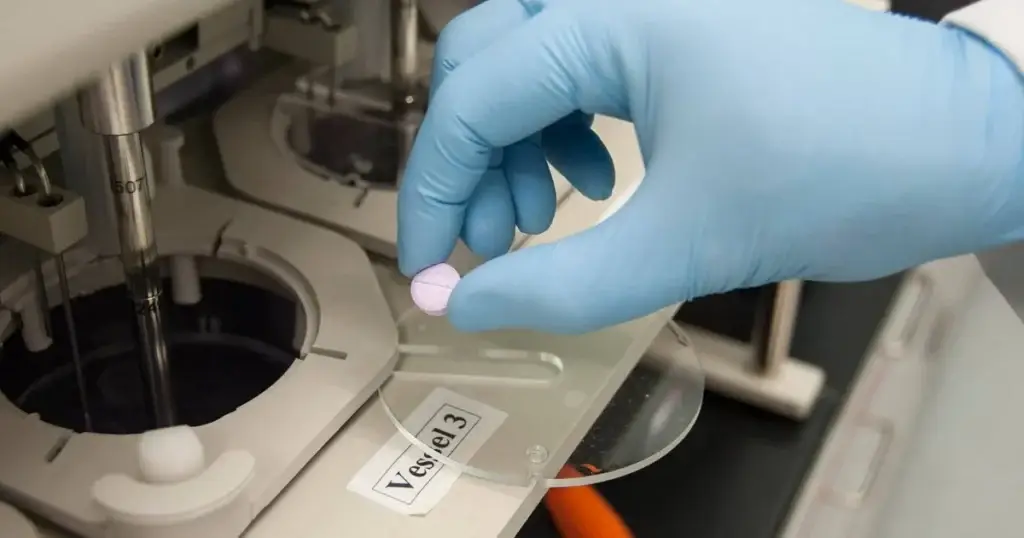
A biomedical engineer applies engineering to medicine and healthcare. The work ranges from designing implants, surgical tools and diagnostic equipment to keeping hospital equipment safe and developing new treatments. It is a rewarding field because your work directly helps patients. This guide explains the main career paths, the routes in, the quality and regulatory skills employers look for and how to find your first role.
What does a biomedical engineer do?
Most roles fall into three broad areas:
- Medical device design and manufacture: developing products such as implants, monitors, infusion pumps, wearables, diagnostic kits and surgical instruments.
- Hospital and clinical work: managing, testing and maintaining medical equipment in hospitals, and supporting its safe use.
- Research: working in universities or companies on new materials, tissue engineering, imaging and digital health.
Day to day, you might write design specifications, run verification tests, analyse data, work with clinicians, prepare technical documentation or investigate a product complaint. The common thread is making sure that technology is safe and effective for patients.
6 routes into the profession
1. A biomedical engineering degree
An accredited biomedical engineering degree is the most direct route, covering anatomy, biomaterials, mechanics, electronics and design.
2. A related engineering degree
Mechanical, electrical, electronic and materials graduates are widely employed in the medical technology industry.
3. Graduate schemes
Larger manufacturers run graduate programmes that rotate you through design, quality and manufacturing.
4. The NHS Scientist Training Programme
Graduates can apply for the NHS Scientist Training Programme in clinical engineering, which leads towards registration as a clinical scientist.
5. Apprenticeships
Technician and degree apprenticeships are available with some manufacturers and NHS trusts.
6. Moving across from another industry
Engineers from aerospace, automotive and electronics often move into medical technology, because the focus on quality and documentation is similar.

Medical device jobs: what employers want
Medical device jobs are tightly regulated, so employers value people who understand quality as well as engineering. Common requirements include:
- Design controls: requirements, risk management, verification and validation.
- ISO 13485, the international quality management standard for medical devices.
- Risk management to ISO 14971.
- Regulatory knowledge, including how the MHRA regulates devices in the UK.
- Technical documentation that is clear, accurate and audit ready.
- CAD, testing and data analysis skills.
Experience with any of these, even from a placement or university project, is worth highlighting on your CV.
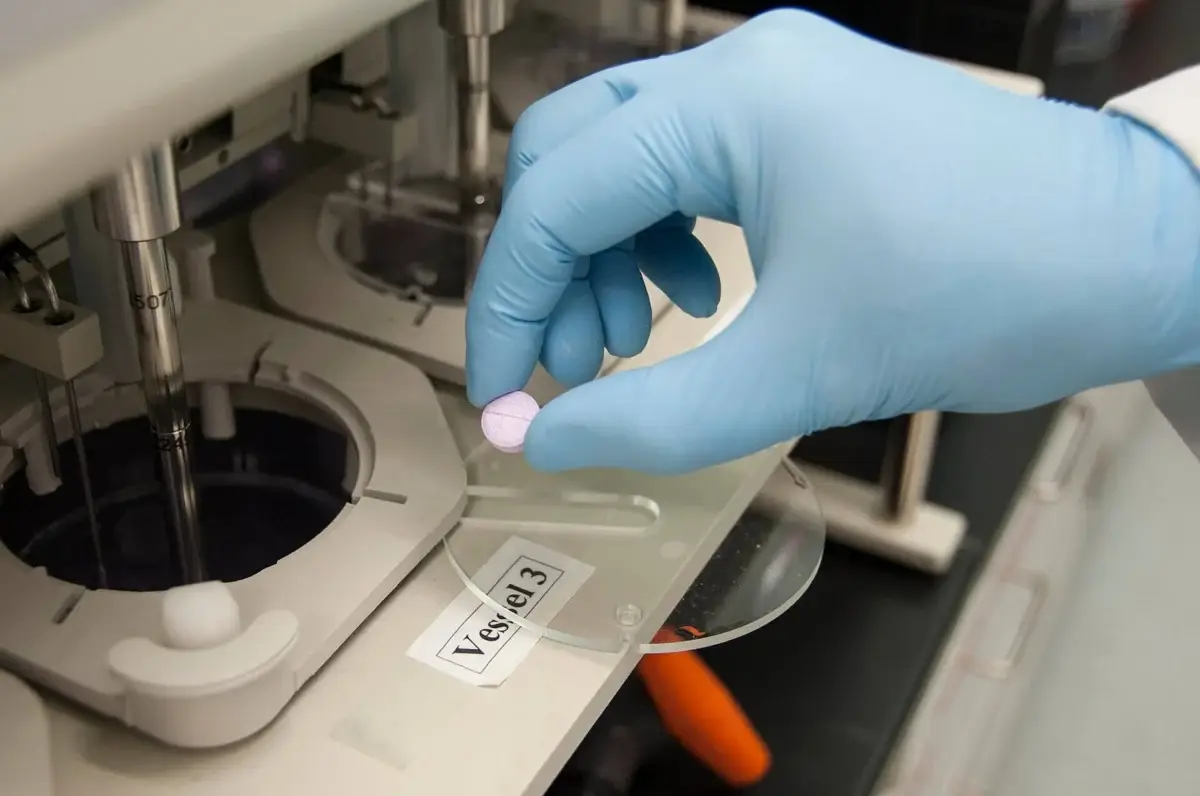
Clinical engineering in the NHS
Clinical engineering teams in hospitals look after a huge range of equipment, from ventilators and infusion pumps to imaging systems and dialysis machines. They plan maintenance, test equipment, investigate incidents, train staff and advise on what to buy.
Roles include clinical technologists, who carry out much of the practical work, and clinical scientists, who lead on more complex technical and safety questions. Clinical scientists register with the Health and Care Professions Council (HCPC). Routes include the NHS training programmes and, for experienced staff, equivalence routes.
Where the jobs are
The UK has a strong medical technology sector, with clusters around Cambridge, Oxford, London, the North West, Yorkshire and central Scotland. Many companies sit on science parks and innovation campuses close to universities and hospitals. NHS trusts employ engineers across the country, and contract research and testing organisations offer further roles.
Skills that help you progress
- Communication with clinicians, patients, regulators and suppliers.
- Problem solving, especially root cause analysis for complaints and failures.
- Project management for product development and equipment replacement programmes.
- Software and data, as more devices connect to apps and hospital systems.
- Professional registration through a body such as IPEM or IMechE.
With experience, you could become a lead design engineer, a quality or regulatory specialist, a clinical engineering manager or a technical director.
Find biomedical roles with Bernoullis