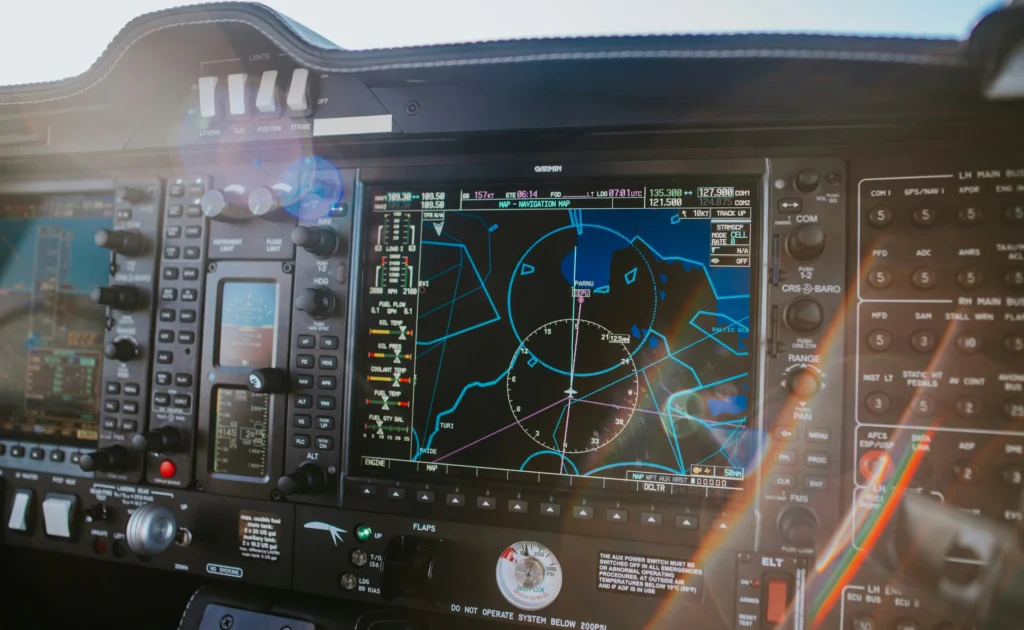
Modern aircraft depend on electronics for almost everything: navigation, communication, engine control, displays, radar and the systems that help pilots fly safely. An avionics engineer designs, tests, installs or maintains those systems. It is a specialist, well-respected role with strong demand across airlines, maintenance organisations, defence and manufacturers. This guide explains what the work involves, the routes in, the B2 licence and the skills that help you stand out.
What does an avionics engineer do?
The work depends on where you are employed. In design and manufacturing, you might develop circuit boards, wiring harnesses, sensors or software for new aircraft and upgrades. In test, you prove that systems meet requirements on rigs, in simulators and in flight. In maintenance, you find and fix faults, replace units and certify aircraft as safe to fly.
Systems you could work on include:
- Navigation and communication equipment.
- Flight control systems, including fly-by-wire and autopilots.
- Cockpit displays and flight management computers.
- Radar, weather radar and collision avoidance systems.
- Engine monitoring and electrical power distribution.
- Mission systems and sensors on military aircraft.
7 steps to become an avionics engineer
1. Build a strong base in maths and physics
Electronics is at the heart of the job, so a good grounding in maths, physics and electronics is essential.
2. Choose your route
Design roles usually ask for a degree in electronic, electrical, aerospace or systems engineering. Maintenance roles often start with an apprenticeship or an approved training course.
3. Learn the hardware
Get comfortable with test equipment, wiring diagrams, soldering standards and fault finding.
4. Understand the standards
Aviation electronics follow strict standards for software, hardware and the environment they work in. Learning these early makes you more employable.
5. Work towards a licence
Maintenance engineers who want to certify work need a licence, covered below.
6. Get hands-on experience
Placements, apprenticeships, the armed forces and line maintenance roles all build practical experience.
7. Tailor your CV
List the aircraft types, systems and test equipment you know, plus any licences and clearance.
The B2 licence explained
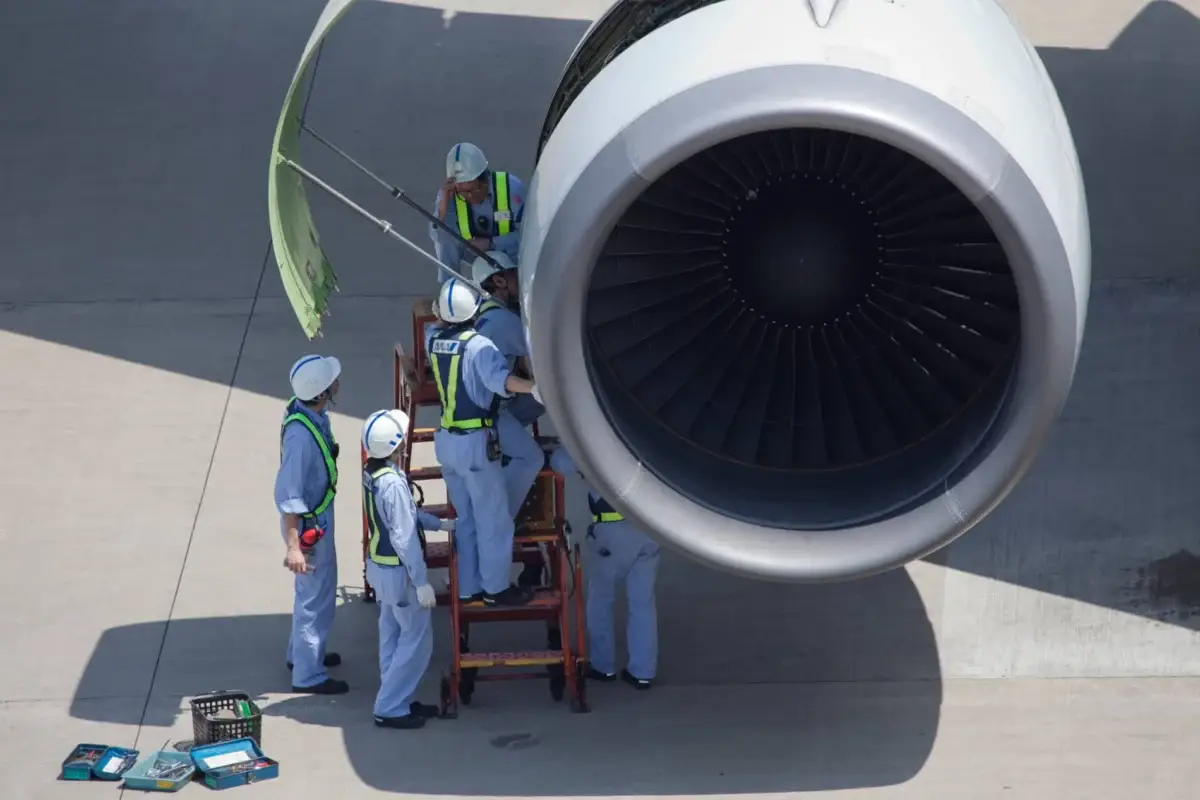
In the UK, aircraft maintenance licences are issued by the Civil Aviation Authority. The B2 licence covers avionics and electrical systems. It allows the holder to certify maintenance on those systems once the right type ratings are added for the aircraft they work on.
To gain a B2 licence you pass a series of module exams covering subjects such as electrical fundamentals, electronics, digital techniques, aircraft systems and human factors, and you build up practical experience. Many airlines and maintenance organisations offer apprenticeships that lead to the licence, and approved training organisations run full-time courses. A B2 licence is highly valued and opens doors across the industry.

Skills employers look for
- Electronics and electrical knowledge, including digital systems and data buses such as ARINC 429.
- Fault finding using maintenance manuals, wiring diagrams and test equipment.
- Software awareness, because more systems are software-driven than ever.
- Attention to detail and disciplined record keeping.
- Knowledge of standards such as DO-178C for airborne software and DO-254 for airborne hardware, especially in design roles.
- Teamwork with mechanical engineers, pilots and quality staff.
Where to find avionics jobs
Avionics jobs are spread across the UK. Airlines and maintenance organisations employ engineers at major airports. Manufacturers of flight control systems, displays, sensors and radar have sites in the South West, the South East, the North West and Scotland. Defence work is common in Hampshire, Lancashire and around Bristol, and the space sector offers related roles in satellite electronics.
Contract roles are also common, especially for experienced licensed engineers and for test and certification specialists on new programmes.
Defence and security clearance
A large share of avionics work is linked to defence, from combat aircraft and helicopters to surveillance systems. Many of these roles need security clearance, such as SC. Employers normally sponsor the process after offering you the job, but you must meet residency and background requirements. If you already hold clearance, say so clearly on your CV, because it can speed up hiring considerably.
Career progression in aerospace careers
Avionics offers a clear path to progress. Maintenance engineers can add type ratings, become shift leaders and move into planning, quality or technical services. Design engineers can progress to lead or principal roles, become systems engineers responsible for whole aircraft functions or move into certification. Many senior people across aerospace careers began in avionics because the skills are so widely used.
Professional registration through a body such as the Royal Aeronautical Society or the IET is a useful step for engineers who want to lead teams and programmes.
Find avionics jobs with Bernoullis