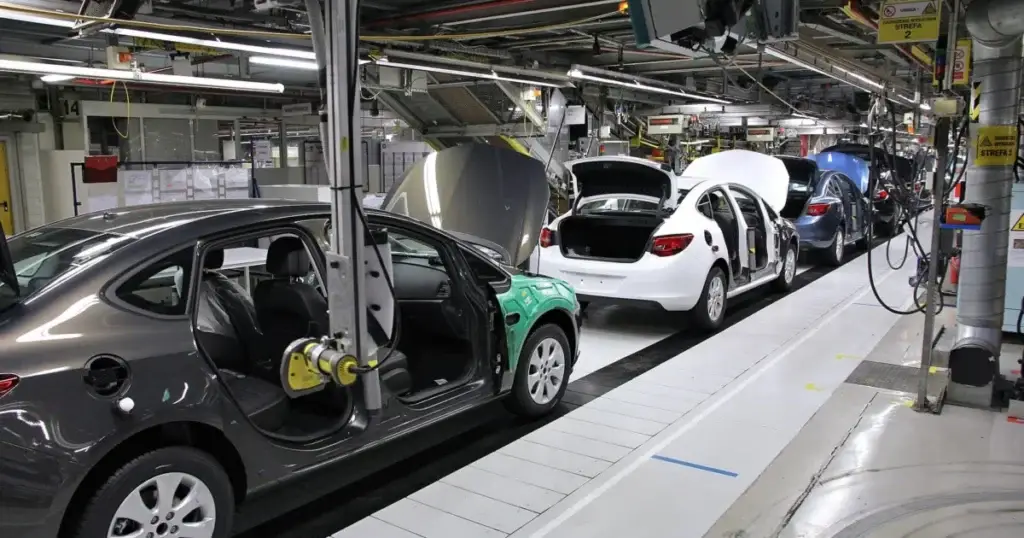
Factories, warehouses, water plants and energy sites all rely on automation, and the people who design and maintain those systems are in high demand. An automation engineer makes machines and processes run safely and efficiently with little manual input. This guide explains what the job involves, the seven skills employers ask for most often and how to move into automation and controls engineer roles.
What does an automation engineer do?
An automation engineer designs, programs, installs and improves the control systems that run machinery and processes. The job title is often used alongside controls engineer, and the two roles overlap heavily. Typical work includes:
- Writing and testing PLC programs.
- Building HMI screens that operators use to run equipment.
- Setting up SCADA systems to monitor whole sites.
- Commissioning new machines and production lines.
- Fault finding when equipment stops.
- Integrating robots, vision systems and sensors.
The work spans sectors such as automotive, food and drink, pharmaceuticals, packaging, logistics, water and energy. Some work for the end user, maintaining a site, while others work for system integrators that design and install systems for many clients.
7 skills every automation engineer needs
1. PLC programming
PLC programming is the core skill. Employers often ask for experience with platforms such as Siemens TIA Portal or Rockwell Studio 5000, and ladder logic, function block and structured text programming.
2. HMI and SCADA
You will build operator screens and set up supervisory systems that collect data, raise alarms and give a view of the whole process.
3. Electrical knowledge
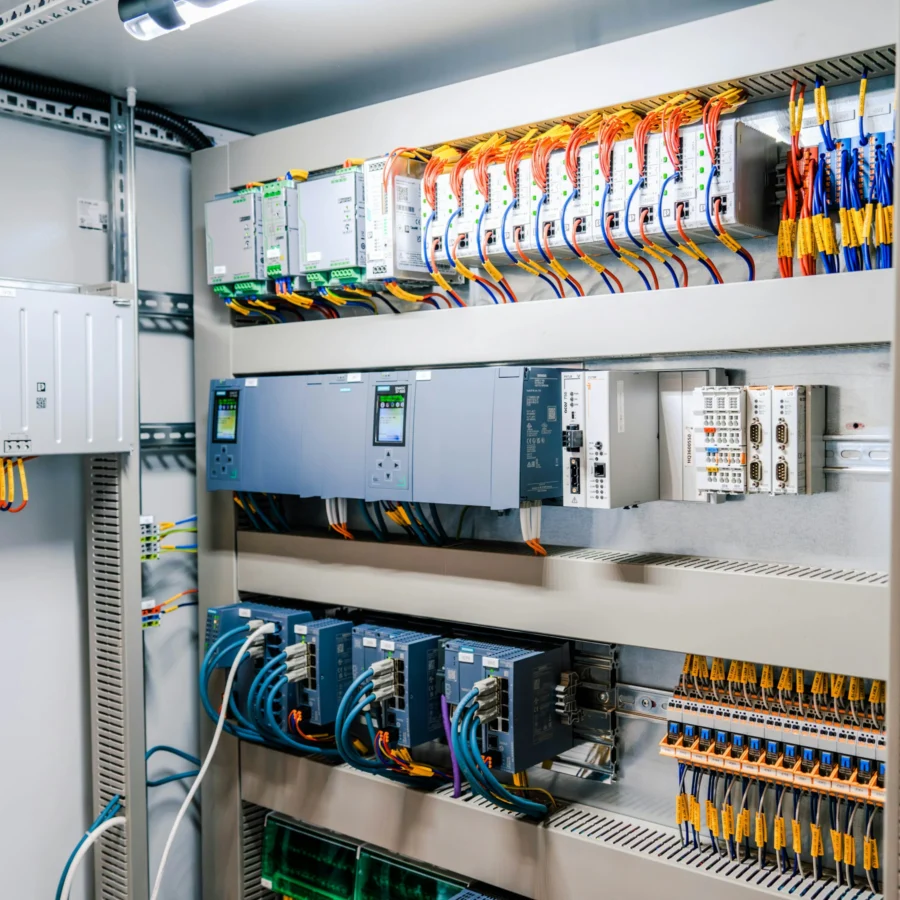
Reading electrical drawings, understanding control panels and working safely with electrical equipment are essential. Many people in the field start as electricians or electrical technicians.
4. Industrial networks
Knowledge of networks such as PROFINET and EtherNet/IP helps you connect devices and diagnose communication faults.
5. Robotics
Experience with industrial robots from manufacturers such as FANUC, ABB or KUKA is increasingly valued.
6. Machine safety
Understanding safety standards, risk assessments, safety PLCs and guarding is essential, because you are responsible for keeping people safe around moving machinery.
7. Problem solving and communication
When a line stops, you need to find the cause quickly and explain it clearly to operators and managers.

Automation engineer or controls engineer?
In many adverts the two titles mean the same thing. Where there is a difference, a controls engineer is often more focused on the control system itself, such as panels, PLC code and instrumentation, while an automation engineer may cover the wider system, including robots, vision and data.
In the process industries, you may also see the title control and instrumentation (C&I) engineer. These roles focus on sensors, valves, analysers and control loops in plants such as refineries, water works and power stations.
How to become an automation engineer
There are several routes into automation:
- Apprenticeship: an electrical, mechatronics or control technician apprenticeship gives you a strong practical base.
- Degree: electrical, electronic, mechatronic or control engineering degrees lead to design roles.
- Moving up from maintenance: many multi-skilled maintenance engineers learn to program PLCs on the job and move into automation.
- Short courses: PLC and robot programming courses help you build specific skills.
Professional bodies such as the Institution of Engineering and Technology (IET) and the Institute of Measurement and Control offer membership, training and routes to professional registration.
Manufacturing engineering jobs in automation
Automation sits at the heart of modern manufacturing engineering jobs. Manufacturers are investing in robotics, data and digital tools to raise productivity, and they need engineers who can make these systems work. Sectors such as automotive, electric vehicles and batteries, food and drink, pharmaceuticals and logistics are all recruiting.
Automation is also changing other industries. Our article on how Siemens Mobility uses a passenger train as a track surveyor shows how data and automation are being used in rail.
Building a CV that shows your automation skills
Automation adverts are often very specific, so a general CV can be filtered out. To give yourself the best chance:
- List the PLC, HMI, SCADA and robot platforms you have used.
- Describe the projects you have commissioned and the results, such as reduced downtime or higher output.
- Include any safety and electrical qualifications.
- Match your keywords to the job advert.
A day in the life
A typical day depends on whether you work on site or for an integrator. On a manufacturing site, you might start by checking overnight downtime reports, then fix a fault that stopped a packing line, change a recipe for a new product and meet the production manager about an upcoming upgrade. Much of the job is reactive, so you need to be calm and methodical under pressure.
At a system integrator, the day is more project-based. You might write and test code in the office, simulate a sequence before it goes to site, document functional design specifications and then travel to a customer’s plant for installation and commissioning. Site visits can involve long days and travel, especially near handover, but you see a wide variety of machines and industries.
Industry 4.0 and the future of the role
The role is changing quickly as factories become more connected. Machines now share data with cloud platforms and business systems, so employers increasingly want people who understand databases, networks and cyber security as well as control logic.
Trends to watch include:
- Digital twins that simulate a line before it is built.
- Collaborative robots that work safely alongside people.
- Machine vision for inspection and quality control.
- Predictive maintenance that uses data to spot failures before they happen.
- Operational technology security to protect industrial systems from attack.
Learning a little Python, SQL or networking alongside your core skills can make you stand out and open doors to more senior and specialist roles.
Pay and progression
Pay depends on your experience, location and sector, and it often rises quickly as you gain commissioning experience and platform knowledge. Integrators may pay overtime and travel allowances, while end users often offer shift allowances.
Common next steps include senior or lead roles, project management, technical management and specialist work in areas such as robotics, safety systems or data. Some experienced engineers move into contracting, where specialist skills are in strong demand during busy project periods.
Find automation and controls engineer jobs with Bernoullis