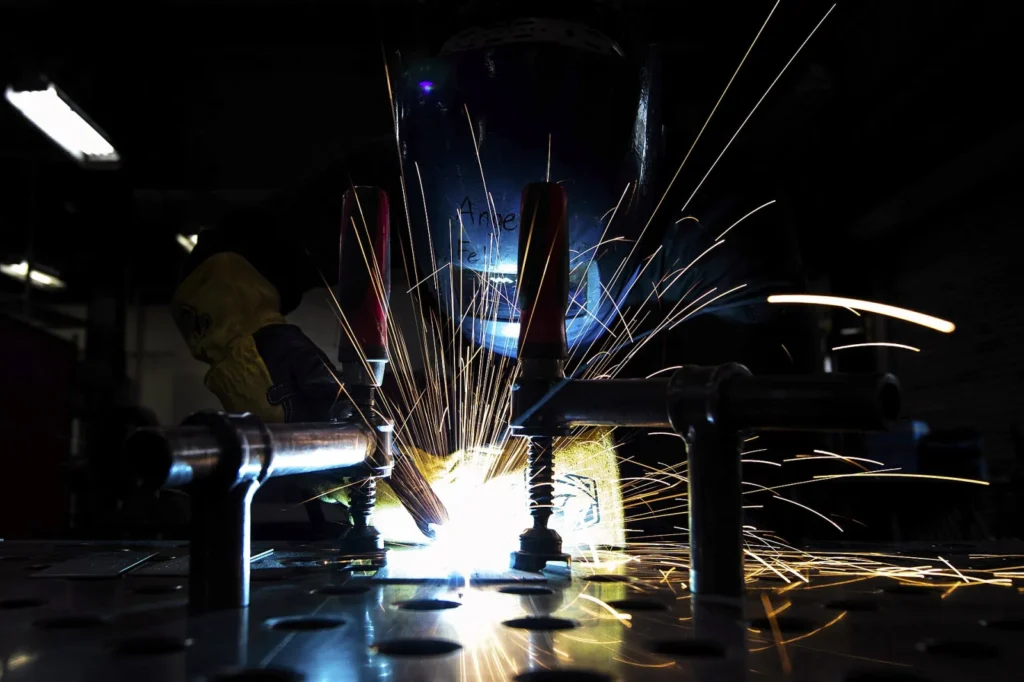
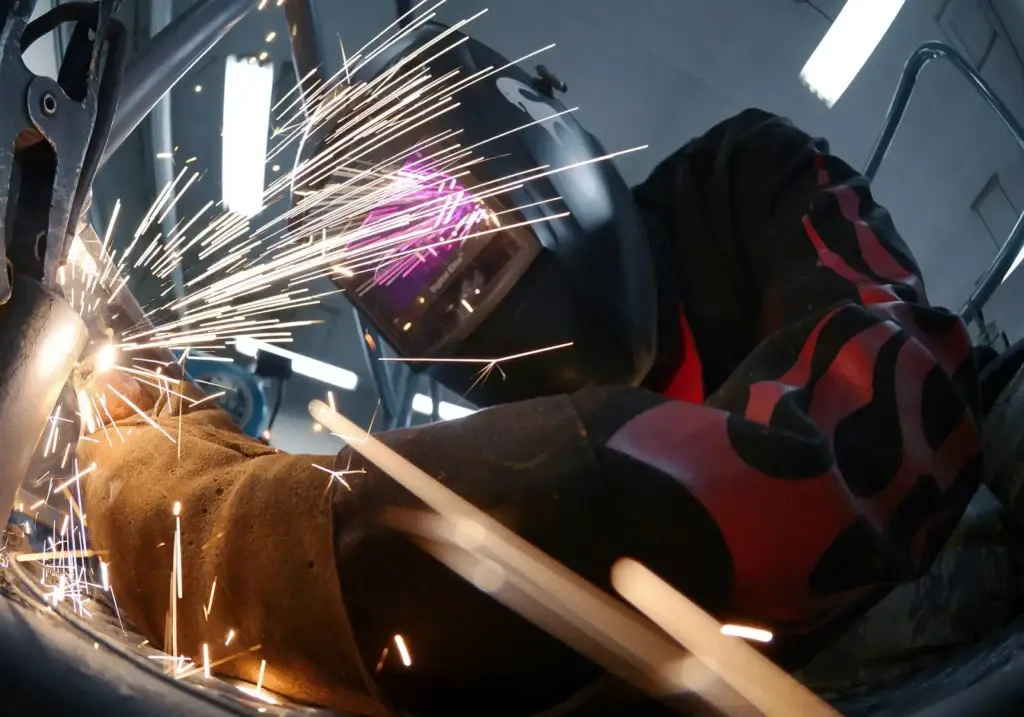
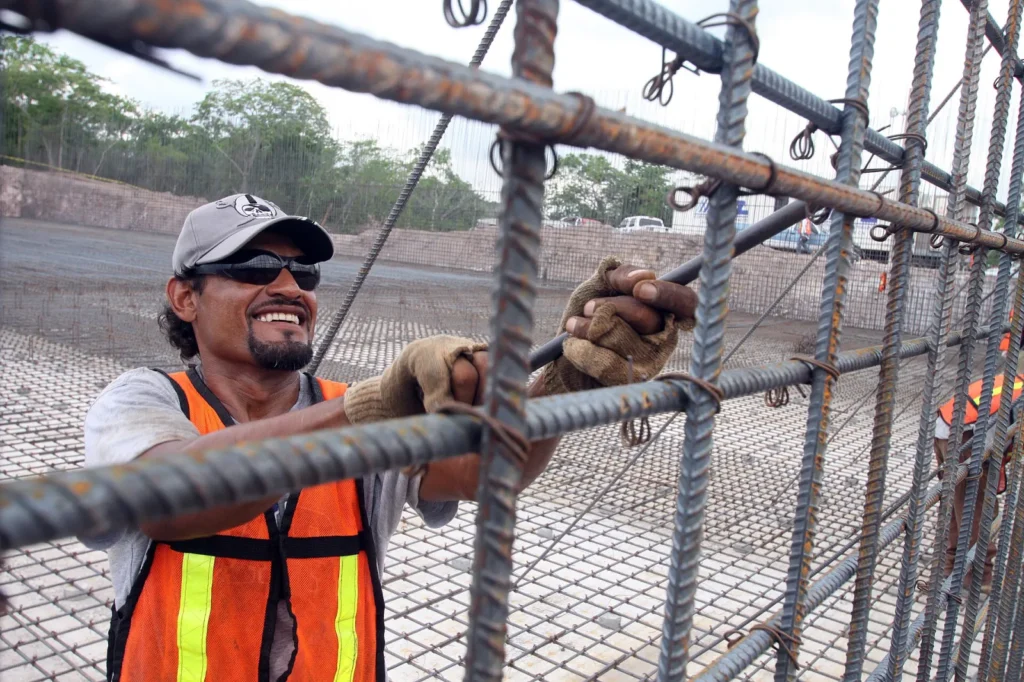
Welding jobs are some of the most secure skilled roles in UK construction and engineering. Steel frames, bridges, pipelines, power stations and offshore wind all depend on qualified welders, and there are not enough of them. If you can pass a coded weld test, employers across the country want to hear from you.
How Big Is the UK Welder Shortage?
WorldSkills UK estimates that the country has a gap of more than 35,000 skilled welding professionals, and IOM3 reports that the shortage is expected to exceed 35,000 skilled welders by 2027.
Training is not keeping up. The same Workplace Journal report says just 231 trainee welders graduated in 2024, while 622 visas were issued to recruit international welders in the same year. Many experienced welders are also approaching retirement.
For anyone with the right skills, that gap means more choice, more overtime and a stronger position when negotiating pay.
Where the Welding Jobs Are
Welding jobs cover a wide range of industries. The biggest areas for welders in construction and engineering include:
- Structural steel. Fabrication shops and site erection teams for frames, bridges and stadiums.
- Infrastructure. Rail, road bridges and major projects such as HS2.
- Energy. Offshore wind foundations, nuclear, pipelines and power stations.
- Manufacturing. Plant, machinery, vehicles and pressure vessels.
- Maintenance. Repair and shutdown work for factories, utilities and process plants.
Many welder jobs also sit alongside mechanical engineering jobs in fabrication and installation teams, so welders often work closely with fitters, pipefitters and engineers.
7 Proven Ways to Build a Welding Career
- Apprenticeships. Learn while you earn with a fabrication or engineering employer.
- College courses. Level 2 and Level 3 welding and fabrication courses build core skills.
- Coded welding tickets. Pass approved weld tests to standards such as BS EN ISO 9606.
- Specialist processes. TIG, MIG, MMA and pipe welding each open different doors.
- Site experience. Erection and site welding often pays more than shop work.
- Inspection. Experienced welders can train as welding inspectors.
- Supervision. Lead a fabrication team or move into a workshop manager role.
What Welder Jobs Pay
Pay depends on your processes, codes, industry and location. In the Workplace Journal report, the managing director of fabricator Tadweld said fully trained apprentices normally earn around £30,000 a year before overtime and bonuses, and that experienced welders can take home more than £50,000.
Coded pipe welders, offshore welders and those willing to travel for shutdowns often earn more. Overtime and night shifts can add a large share on top of basic pay.
Finding Welding Jobs Near Me
Most welders want steady work they can reach every day. If you are searching for welding jobs near me or jobs near me welding, start with local fabrication shops, steel erectors and engineering firms, then look at larger projects within travelling distance.
A specialist recruiter can help you find welding careers near me that match your processes and codes. We explain the work, the shift pattern and the rate before you apply, and we never send your CV without your permission.
Skills and Tickets Employers Ask For
- Coded weld tests in the right process and position.
- The ability to read fabrication drawings and weld symbols.
- A CSCS card for site-based work.
- Working at height and confined space training for some roles.
- Good habits around fume extraction, PPE and hot works permits.
Before you apply, run your CV through our free CV checker to make sure your codes and processes are easy to find.
Site Welding vs Workshop Welding
Workshop welders usually work regular hours in a fabrication shop, building steel sections, pipe spools or machinery under controlled conditions. The work is steady, the environment is predictable and it is a good place to build your skills and pass new codes.
Site welders work on the structure itself, often at height, outdoors and in all weathers. They join steelwork during erection, carry out repairs and work around other trades on busy construction sites. Site roles usually pay more to reflect the conditions, travel and extra safety training.
Many welders spend a few years in a workshop before moving to site, or switch between the two depending on the work available. Having experience of both makes you far more employable.
Advice for New Welders
If you are new to the trade, focus on the basics first. Practise until your welds pass visual and bend tests every time, learn to read drawings and keep a record of every code you hold with its expiry date.
Ask employers about training. Good fabricators will pay for new codes and processes as you progress, which raises your value without costing you anything.
Why Welding Is a Strong Career Choice
According to research reported by IOM3, welding has been named one of the UK’s best trades for apprenticeships. The skills are hard to automate on site, they are needed in almost every industry, and they travel well from one country to another.
Welding also offers clear progression. Many welders move into inspection, supervision, quality or engineering roles as they gain experience.
How Bernoullis Can Help
Final Thoughts on Welding Jobs
With a shortage of more than 35,000 skilled welders and steady demand from construction, energy and manufacturing, welding jobs look secure for years to come. If you are thinking about a trade, or already welding and want to move up, 2026 is a good year to make your move.