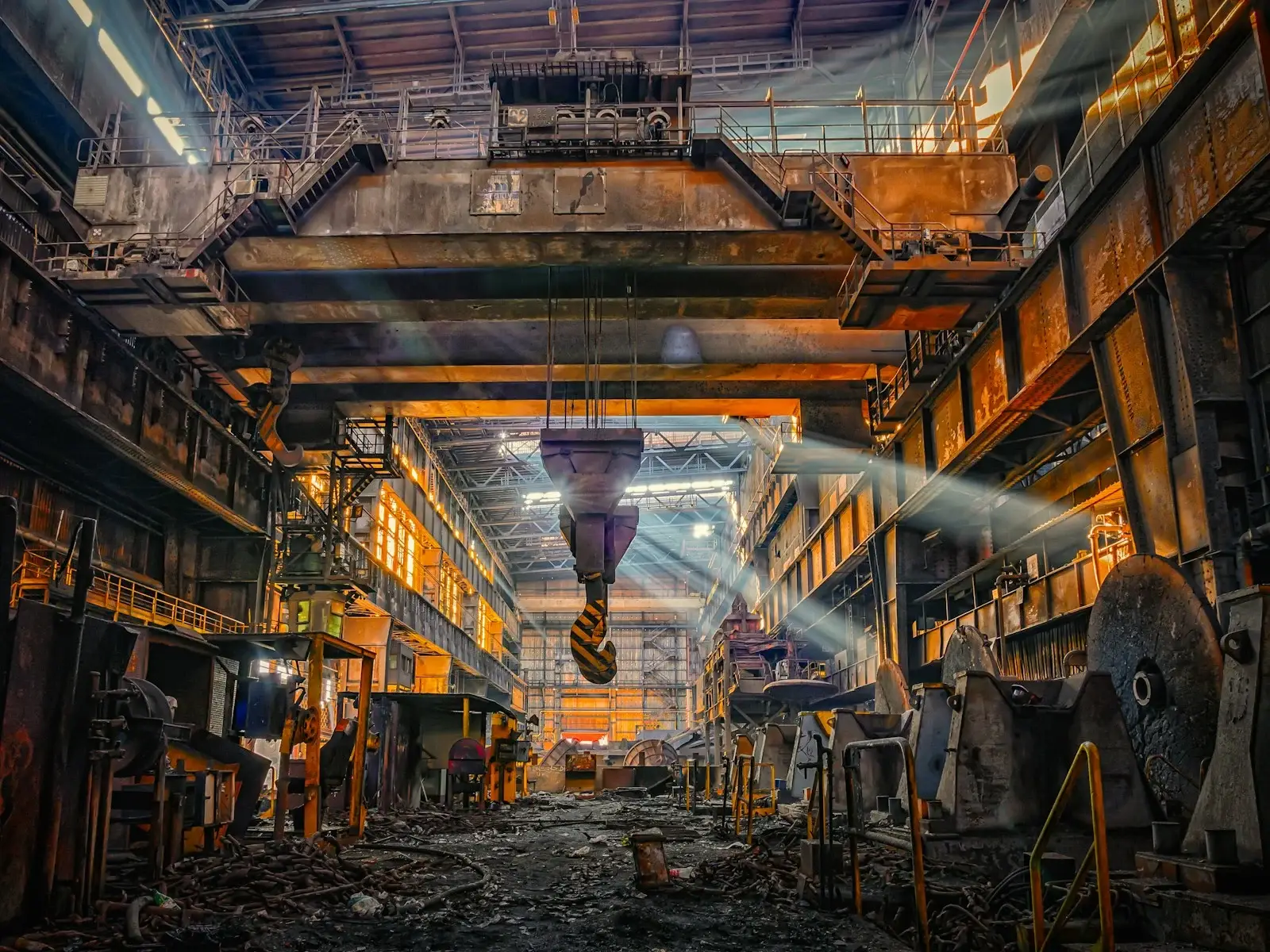
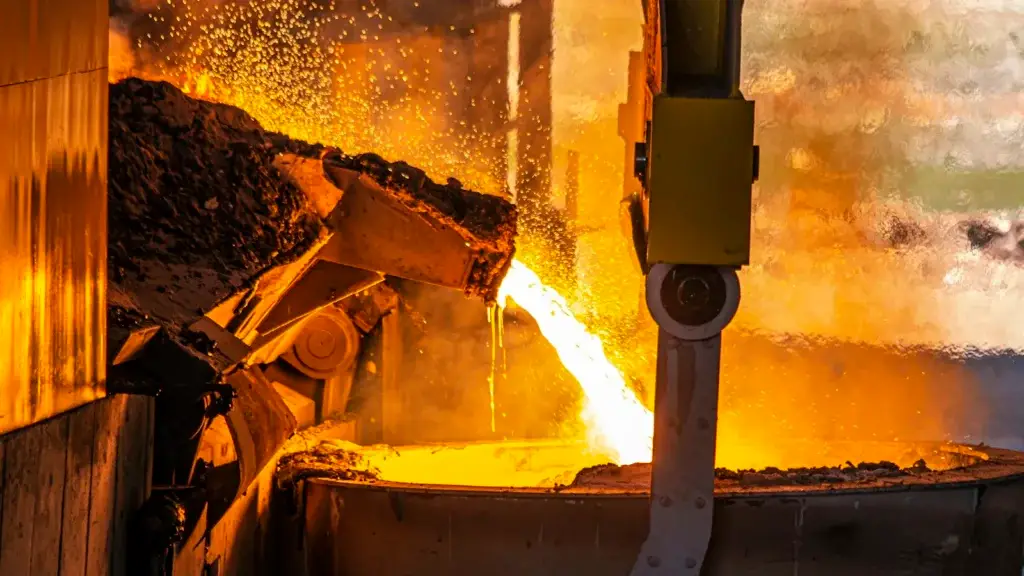
The Scunthorpe steel works has been at the centre of one of the biggest industrial stories in the UK. In July 2026 British Steel was nationalised, after more than a year in which the government had already been running the site. The works is home to the last blast furnaces in the country, which makes it the last place where steel is made from iron ore in the UK. Here are seven key facts about what has happened and what it means for jobs.
1. Scunthorpe Is the Home of British Steel
Steel has been made in Scunthorpe for well over a century, and the town grew up around its works. Today the site is the main plant of British Steel, which makes products such as rail, wire rod and steel sections for construction. According to the GMK Center, around 2,700 people work at Scunthorpe.
2. The UK’s Last Blast Furnaces
Blast furnaces turn iron ore and coke into molten iron, which is then made into steel. This is called primary steelmaking. Tata Steel closed the blast furnaces at Port Talbot in Wales in 2024 as it moved to electric arc furnace technology, leaving the two at the Scunthorpe steel works as the last in the UK.
If they closed, the UK would no longer be able to make new steel from raw materials, and would rely on recycled scrap and imports. That is why the future of the site matters well beyond Lincolnshire.
3. The Government Took Control in 2025
British Steel was bought by the Chinese company Jingye in 2020. In 2025 talks over the future of the blast furnaces broke down, and the government stepped in. In April 2025 it took operational control of the company to stop the furnaces being shut down, according to Anadolu Agency.
4. British Steel Was Nationalised in July 2026
On 16 July 2026, British Steel was taken into public ownership, the day after a new Steel Act was passed. The aim was to secure the future of the Scunthorpe steel works and keep primary steel making UK based. Running the business still costs public money while a long-term plan is agreed.
5. The Future Is Likely to Be Electric
Most plans for the future of steel making UK wide involve electric arc furnaces. These melt scrap steel using electricity rather than coal, and produce far lower carbon emissions than blast furnaces. Building them takes years and a lot of investment, so the blast furnaces at Scunthorpe are expected to keep running for some time while decisions are made.
The switch changes the skills a steel works needs. Electric arc furnaces rely heavily on electrical, controls and process engineers, alongside traditional steelmaking skills.
6. What It Means for Steel Jobs
Public ownership has given the workforce more certainty for now. But steel making is changing, and the jobs of the future will need new skills. Roles in demand across the UK steel industry include:
- Electrical and controls engineers for furnaces, rolling mills and automation
- Maintenance engineers and fitters for heavy plant
- Process operators for melting, casting and rolling
- Metallurgists who understand steel grades and testing
- Crane and plant operators with the right tickets
See our page on UK steel industry jobs for the roles we recruit.
7. The Supply Chain Depends on It
Steel works do not stand alone. Hundreds of local suppliers, contractors and service companies rely on them, from engineering firms and hauliers to fabricators and welders. When a big site is under threat, the effect spreads across the region. When it invests, the same supply chain benefits.
Our View
The Scunthorpe steel works is about more than one town. It is the last link to primary steel making in the UK and a test of how the country moves to lower-carbon industry. For engineers, operators and metallurgists, it is also a reminder that steel skills are still very much in demand. If you are looking for your next role, browse our live vacancies or check your CV with our free CV checker.