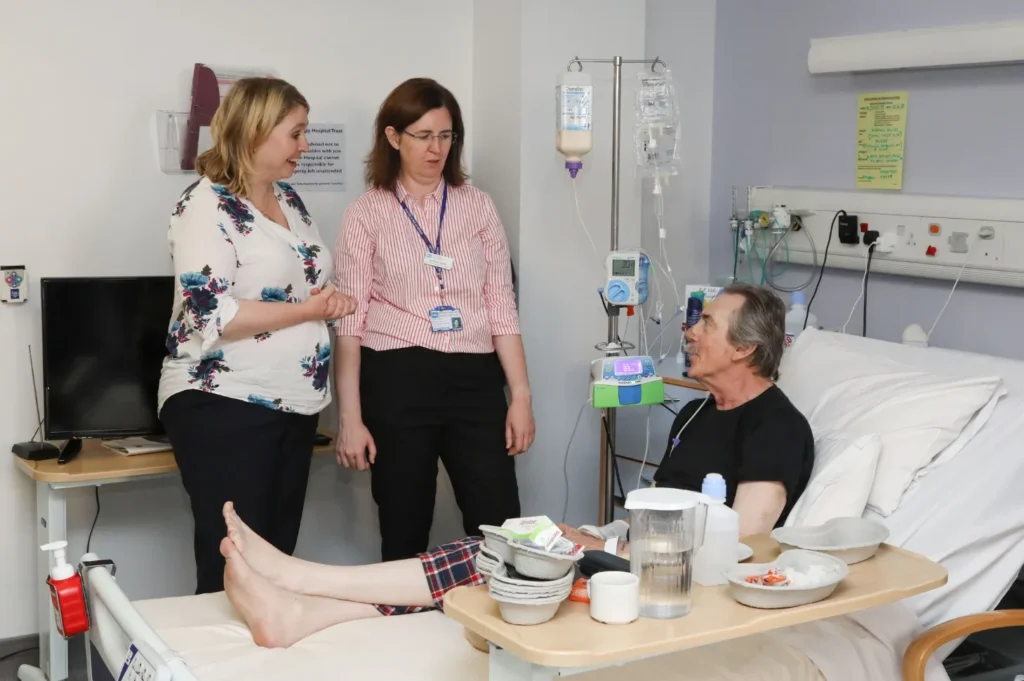
Health and social care degree jobs are more varied than many graduates expect. The degree does not lead to one fixed profession, which can feel confusing at first, but it also means you can choose from a wide range of roles across care, health, housing, community and management. If you are asking what jobs can you get with health and social care, here are seven of the best options in 2026.
Why Health and Social Care Graduates Are in Demand
Both the NHS and social care need more people. Skills for Care reported 111,000 vacant posts in adult social care in England in 2024/25, a vacancy rate of 7%, and projects that around 470,000 more posts will be needed by 2040 (Care Management Matters). The NHS reported 100,326 vacancies at 30 June 2026 (NHS England).
That demand creates many health and social care degree job opportunities, especially for graduates who combine their studies with practical experience.
1. Care Coordinator or Care Manager
Care coordinators plan support, arrange care packages and keep families informed. With experience, many move into care management, leading a service and often becoming the CQC registered manager. This is one of the clearest job roles in health and social care for graduates who enjoy organising and leading.
See our healthcare management positions page for more.
2. Healthcare Administration
Hospitals, clinics and practices need administrators who understand how care works. Your degree gives you a head start on policy, safeguarding and patient experience. Many graduates start as administrators or patient coordinators and progress quickly. Read our guide to NHS administration jobs.
3. Healthcare Assistant or Support Worker
Working as a healthcare assistant or support worker gives you hands-on experience that employers value. In the NHS, a band 3 healthcare assistant earns £25,760 to £27,476 from 1 April 2026, according to NHS Employers. Many graduates use this experience to apply for nursing, therapy or management roles later. See our healthcare assistant jobs page.
4. Social Prescribing and Community Roles
Social prescribing link workers and community connectors help people find local support, such as activity groups, advice services and volunteering. These roles suit graduates who understand the social side of health and enjoy working in the community.
5. Public Health and Health Promotion
Public health teams in councils and the NHS run programmes on smoking, weight, sexual health and mental wellbeing. Graduate roles include health improvement officers, project officers and researchers. The government’s 10 Year Health Plan includes a shift from sickness to prevention, which puts more focus on this work.
6. Therapy Support Roles
Physiotherapy and rehabilitation assistants help patients recover movement and independence. These roles are a good step for graduates who might later train as a physiotherapist or occupational therapist. Read about physiotherapy assistant jobs.
7. Further Study and Registered Professions
Some graduates use their degree as a foundation for a registered profession, such as nursing, social work, occupational therapy or paramedic science. These usually need a further qualification and registration with a regulator, such as the NMC, HCPC or Social Work England.
Skills Employers Look For
Whichever path you choose, employers in health and social care look for a similar set of strengths. Your degree already shows that you understand policy, ethics and how services fit together. What employers then want to see is how you use that knowledge with real people.
- Communication. Explaining things clearly to patients, families and colleagues.
- Safeguarding awareness. Knowing how to spot and report concerns.
- Organisation. Managing time, records and several tasks at once.
- Resilience. Staying calm and kind when work is busy or upsetting.
- Digital confidence. Using care records, booking systems and online tools.
Give a short example of each in your applications, ideally from placements, part-time work or volunteering. That evidence matters more than your grade for most health and social care degree jobs, and it helps you stand out when you apply for job roles in health and social care that attract many graduates.
How to Turn Your Degree Into a Job
- Get practical experience. Care, support or volunteering roles make your CV stand out.
- Choose a direction. Decide whether you want hands-on care, admin, community or leadership work.
- Tailor your CV. Our free CV checker shows how well your CV matches a role.
- Look widely. Careers in health and social care exist in the NHS, councils, charities and private providers. Browse our healthcare jobs.
Our View
Health and social care degree jobs are everywhere once you know where to look. Pick a direction, build practical experience and present your degree as evidence of how well you understand people, policy and care. The demand is there, and the right first step can lead to a long and rewarding career.